
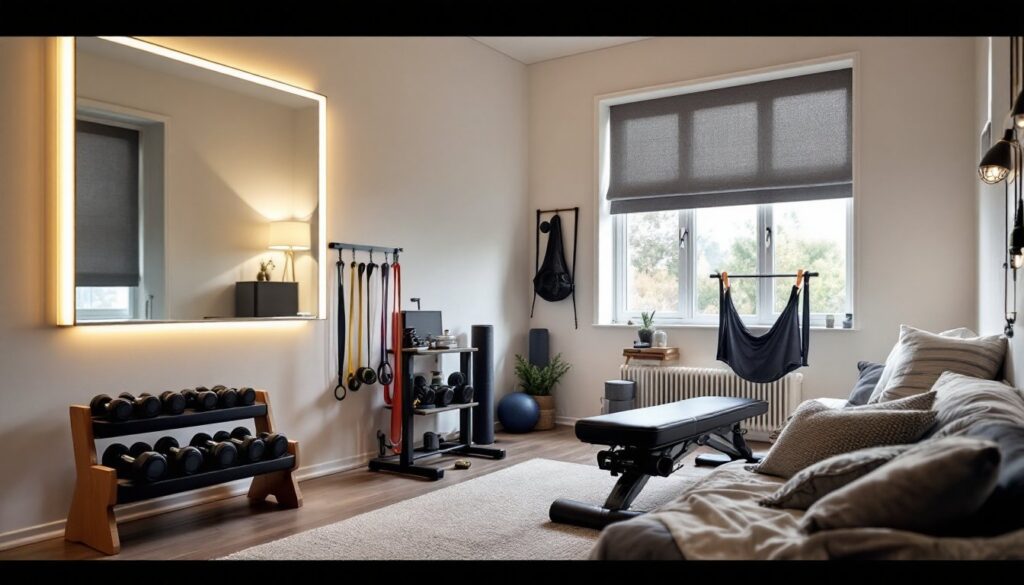
Setting up a home gym doesn’t require a dedicated garage or finished basement, your bedroom can become a fully functional fitness space with smart planning and the right equipment. Whether someone is short on square footage or prefers working out in a private, climate-controlled room, bedroom gym ideas range from compact cardio stations to versatile strength setups that take up minimal real estate. The key is choosing space-saving equipment, arranging it strategically, and keeping the room organized so it remains both a relaxing sleep sanctuary and an effective workout zone. This guide walks through practical solutions for turning a bedroom into a personal fitness studio, no renovation or professional installation required.
Key Takeaways
- Bedroom gym ideas are achievable with space-saving equipment like adjustable dumbbells, resistance bands, and a doorframe pull-up bar that eliminate the need for bulky machines or renovation.
- A 6 ft. × 8 ft. designated workout zone positioned opposite the bed maximizes functionality while maintaining at least 3 feet of clearance for safe, unrestricted movements.
- Adjustable dumbbells paired with resistance bands handle 80% of strength training needs, replacing traditional weight racks and enabling hundreds of exercises from presses to rows to leg work.
- Jump rope and bodyweight cardio alternatives like shadowboxing and high-knee sprints require minimal space and deliver effective cardiovascular fitness without treadmills or stationary bikes.
- Strategic lighting with LED panels, mirrors for form checks, and organized wall storage keep a bedroom gym motivating and clutter-free so it functions as both a workout space and relaxing sleep sanctuary.
- A small folding bench and step platform add versatility to bedroom gym setups, enabling incline presses, Bulgarian split squats, and box jump alternatives in under-bed storage.
Space-Saving Equipment for Small Bedrooms
The foundation of any bedroom gym is equipment that doesn’t eat up floor space. Adjustable dumbbells are a cornerstone choice, a set of 5–50 lb. dumbbells occupies roughly a 2 ft. × 1 ft. footprint yet replaces an entire rack of traditional weights. Brands like Bowflex SelectTech or comparable adjustable models let users dial in any poundage without storing dozens of individual dumbbells.
Resistance bands are nearly weightless and fold into a drawer or hang on a wall hook. Loop bands, therapy bands, and long resistance tubes handle chest presses, rows, and leg work without needing any floor footprint. A pull-up bar mounted in a doorframe, no drilling required, adds an upper-body option that uses zero additional space.
For stretching and mobility work, a yoga mat (typically 68 in. × 24 in. × ¼ in.) rolls up compactly and provides cushioning for floor exercises. A foam roller leans against a wall or slides under the bed. Both are essentials that occupy almost no storage space when not in use.
Suspension trainers like TRX or budget alternatives anchor to a door frame and enable hundreds of body-weight movements. They weigh ounces and pack into a gym bag. When space is truly limited, suspension trainers paired with dumbbells cover most workout needs.
Creating a Functional Layout That Maximizes Your Bedroom
Before moving equipment in, measure the bedroom and sketch out a simple floor plan. A standard double bed occupies about 55 in. × 76 in.: a queen, roughly 60 in. × 80 in. Position the bed against the longest wall to free up open floor space for workouts.
Designate a small workout zone in the corner opposite the bed or along one wall. This 6 ft. × 8 ft. rectangle gives enough room for dumbbell work, mat exercises, and mobility drills without feeling cramped. Keep equipment visible but organized, stacked dumbbells on a small stand, resistance bands on wall hooks, and the yoga mat rolled in a corner.
Ensure a clear pathway from the bedroom door to your workout area. Nobody wants to shuffle equipment aside just to get into the room. If the bedroom is particularly tight, consider wall-mounted shelving above the bed or floating shelves to store smaller gear and free floor space.
Maintain at least 3 feet of clearance around your workout zone so lunges, lateral movements, and arm exercises feel unrestricted. Test layouts by placing items where you plan them, then do a few movements to confirm everything flows. A few minutes of planning prevents frustration and unsafe conditions later.
Essential Strength Training Gear You Can Fit in Any Room
Strength training doesn’t demand elaborate machines. Adjustable dumbbells and resistance bands handle 80% of pressing, pulling, and isolation work. Add a sturdy wooden bench (folding options collapse to 4–6 in. thick for under-bed storage) and someone can perform incline presses, seated rows, and Bulgarian split squats.
A doorframe pull-up bar opens up vertical pulling movements without bolting anything into studs. Install it at standard height (typically 7 ft. above the floor) and test it with body weight before hanging from it under load. Most temporary bars support 300+ lbs. if anchored correctly across the frame.
For leg work, dumbbells alone enable goblet squats, lunges, and single-leg deadlifts. Loop resistance bands add deceleration and tension that boost glute and quadriceps activation. A step platform (24–30 in. wide, 12–18 in. high) provides an elevated surface for step-ups, Bulgarian split squats, and box jump alternatives.
Skip expensive cable machines and leg press racks. Bodyweight exercises paired with dumbbells and bands build serious strength in bedrooms. The upper-body compound lifts, presses, rows, pull-ups, pack the most training value per square foot.
Cardio Alternatives That Don’t Require Much Space
Traditional treadmills and stationary bikes are space hogs. Instead, consider adjustable step platforms that double for cardio intervals and strength work. A 12–18 in. step holds step-ups, lateral bounds, and agility drills, no electricity or folding mechanism needed.
Jump rope is perhaps the most space-efficient cardio tool available. It requires roughly a 6 ft. × 6 ft. area and builds serious cardiovascular fitness in 10–15 minute sessions. A speed rope with ball bearings and an adjustable length costs under $30 and weighs ounces. If a ceiling is too low, shadowboxing and high-knee sprints substitute effectively.
Rowing machine alternatives like a compact rowing machine or resistance band rows provide low-impact cardio. Some compact rowers fold nearly flat and slide under a bed. Others pivot upright and occupy roughly 2 ft. × 6 ft. of floor space.
Battle ropes, if the bedroom floor can handle them, deliver brutal conditioning in short bursts (30–60 seconds). They anchor to a sturdy point and coil up easily. Burpees, mountain climbers, and high knees executed on a yoga mat round out cardio without special equipment. The goal is variety and intensity, not equipment bells and whistles.
Lighting, Mirrors, and Ambiance for Motivation
Lighting sets the mood and makes a bedroom gym feel intentional rather than like a storage closet. Install adjustable LED panels or smart bulbs that dim to create a calming atmosphere for stretching or ramp up brightness for intense work. LED strips mounted along shelving or behind furniture add visual interest without heat or power draw.
Mirrors are psychological gold, they enable form checks during lifts and create the illusion of more space. Mount a single large mirror (36 in. × 48 in. or similar) on one wall at standing height. Avoid mirrors directly across the bed: they can feel jarring when trying to sleep.
Adding a sound system, even a simple Bluetooth speaker ($30–100), transforms the environment. Upbeat music during strength work and calm instrumental tracks during cool-downs reinforce the separation between “workout mode” and “sleep mode” in the same room.
Consider window treatments that blackout light during evening workouts or early morning sessions without permanently darkening the space. Blackout shades balance the need for focused workouts and daytime rest. A small fan keeps air circulating during intense sessions, improving comfort and air quality.
Storage Solutions to Keep Your Bedroom Organized
A bedroom gym lives or dies by organization. Without dedicated storage, equipment sprawls across the floor and makes sleeping uncomfortable. Wall-mounted shelving or pegboards above or beside the bed keep lighter items (bands, yoga mat, foam roller) visible and accessible without floor clutter.
A rolling storage cart with three to four shelves slides under a desk or into a closet corner, holding dumbbells, straps, and smaller accessories. Choose one with rubber wheels so it glides smoothly on most flooring. Metal carts typically cost $40–80 and support serious weight.
Over-the-door shoe organizers repurpose efficiently for bands, towels, and small equipment. A large plastic tote (18–22 in. wide) stores heavier bands, workout clothes, and accessories, then slides under the bed or into a closet. Label the tote clearly so everything stays findable.
A dumbbell rack or stand (even a simple wooden rack built from 2×4s) keeps adjustable weights organized and off the floor. DIYers can build a basic rack in an hour using pocket hole joinery, dimensions typically measure 24 in. wide, 18 in. deep, and 12–16 in. tall. Spending 30 seconds cleaning up after workouts prevents the space from becoming a junk room.
Conclusion
Building a bedroom gym requires no construction permits, professional installation, or major expense. By choosing compact, multipurpose equipment, adjustable dumbbells, resistance bands, a yoga mat, and a pull-up bar, anyone transforms even a tight bedroom into a functional fitness space. Smart layout, organized storage, and thoughtful lighting keep the room functional for both workouts and sleep. The result is a personal fitness studio accessible 24/7, no commute required.