
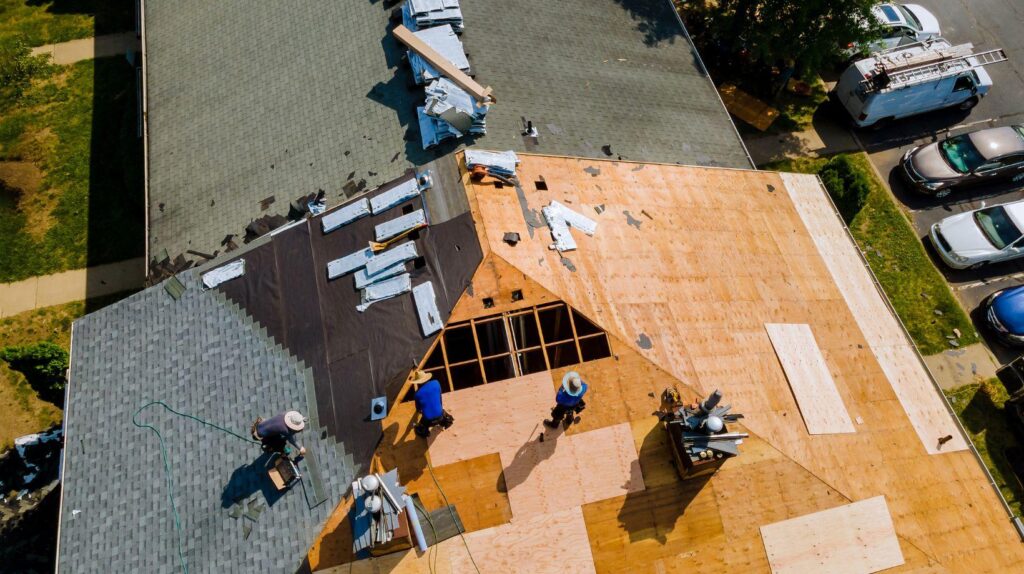
A damaged roof can be one of the most expensive repairs a homeowner faces. After a severe storm, many people wonder whether their homeowners insurance policy will pay for a roof replacement. The answer depends on several factors, including what caused the damage, the age of the roof, and the details of your insurance policy.
Understanding how homeowners insurance works can help you navigate the claims process and avoid unexpected surprises.
When Does Insurance Cover Roof Replacement?
Most homeowners insurance policies cover roof replacement when the damage is caused by a sudden and accidental event rather than normal aging or lack of maintenance.
Examples of covered events may include:
- Windstorms
- Hailstorms
- Fallen trees
- Lightning strikes
- Fire damage
- Certain types of storm damage
If your roof is damaged by one of these covered perils, your insurance company may pay for repairs or a full replacement after your deductible is applied.
What Is Usually Not Covered?
Insurance is generally not intended to cover roofs that wear out naturally over time.
Claims may be denied if the damage is caused by:
- Normal aging
- Poor maintenance
- Neglected repairs
- Manufacturer defects
- Improper installation
- Gradual deterioration
Keeping your roof in good condition can improve your chances of a successful claim after a storm.
The Importance of Documenting Damage
If your roof is damaged, documentation is extremely important.
Take photographs of:
- Missing shingles
- Hail impacts
- Fallen tree limbs
- Interior water stains
- Damaged gutters
- Broken flashing
The more evidence you have, the easier it may be to demonstrate the extent of the damage.
Schedule a Professional Roof Inspection
Not all storm damage is visible from the ground.
A professional roofing contractor can identify:
- Wind-lifted shingles
- Hail bruising
- Hidden leaks
- Flashing damage
- Vent damage
- Roof decking concerns
A thorough inspection provides valuable information that can assist during the insurance claim process.
Understanding Your Deductible
Before insurance begins paying for covered damage, you’ll usually be responsible for paying your deductible.
Depending on your policy, this may be:
- A flat dollar amount
- A percentage of your home’s insured value
Knowing your deductible ahead of time can help you plan financially if storm damage occurs.
Actual Cash Value vs. Replacement Cost
Many insurance policies use one of two methods to determine payment.
Actual Cash Value (ACV)
An Actual Cash Value policy considers depreciation. Older roofs may receive smaller payouts because their value has decreased over time.
Replacement Cost Value (RCV)
Replacement Cost Value policies generally pay more because they are designed to cover the cost of replacing the damaged roof with similar materials, subject to policy limits and deductibles.
Always review your individual policy to understand which type of coverage you have.
Filing a Roof Insurance Claim
Although every insurance company has its own procedures, the process often includes:
- Document the damage.
- Contact your insurance company.
- Schedule an inspection.
- Meet with the insurance adjuster.
- Review the claim decision.
- Complete approved repairs.
Staying organized throughout the process can help avoid unnecessary delays.
Why Maintenance Still Matters
Insurance companies expect homeowners to properly maintain their roofs.
Regular maintenance should include:
- Cleaning gutters
- Replacing damaged shingles
- Repairing flashing
- Trimming overhanging trees
- Scheduling annual inspections
Routine maintenance not only protects your roof but may also strengthen your insurance claim if storm damage occurs.
When a Full Roof Replacement Is Necessary
In some situations, storm damage affects such a large portion of the roof that repairs alone may not restore its integrity.
Factors that may influence this decision include:
- Widespread wind damage
- Significant hail impacts
- Water intrusion
- Structural concerns
- Matching requirements for roofing materials
If you’re trying to understand what a complete roofing project involves after an insurance claim, learn what to expect before making your final decision.
Understanding the replacement process can help homeowners make informed choices while restoring their home’s protection.
Tips for Homeowners
To improve your chances of a smooth insurance claim:
- Inspect your roof after major storms.
- Keep maintenance records.
- Save inspection reports.
- Take photographs of damage immediately.
- Report claims promptly.
- Work with experienced roofing professionals.
Preparation and documentation can make the claims process much easier.
Frequently Asked Questions
Will insurance replace an old roof?
It depends. If the roof was damaged by a covered event, insurance may provide coverage even if the roof is older, although the amount paid may vary depending on your policy.
Does homeowners insurance cover roof leaks?
Leaks caused by sudden covered events may be covered. Leaks resulting from normal wear and tear or poor maintenance are often excluded.
How long do I have to file a roof insurance claim?
Time limits vary by insurance company and state. Contact your insurance provider as soon as possible after discovering storm damage.
Should I have my roof inspected after a storm?
Yes. A professional inspection can identify hidden damage that may not be visible from the ground and provide valuable documentation for your claim.
Final Thoughts
Homeowners insurance can provide valuable financial protection when your roof is damaged by covered events such as wind or hail. However, understanding your policy, maintaining your roof, documenting damage, and working with experienced professionals are all important parts of a successful claim. Taking these steps can help protect both your home and your investment when severe weather strikes.