
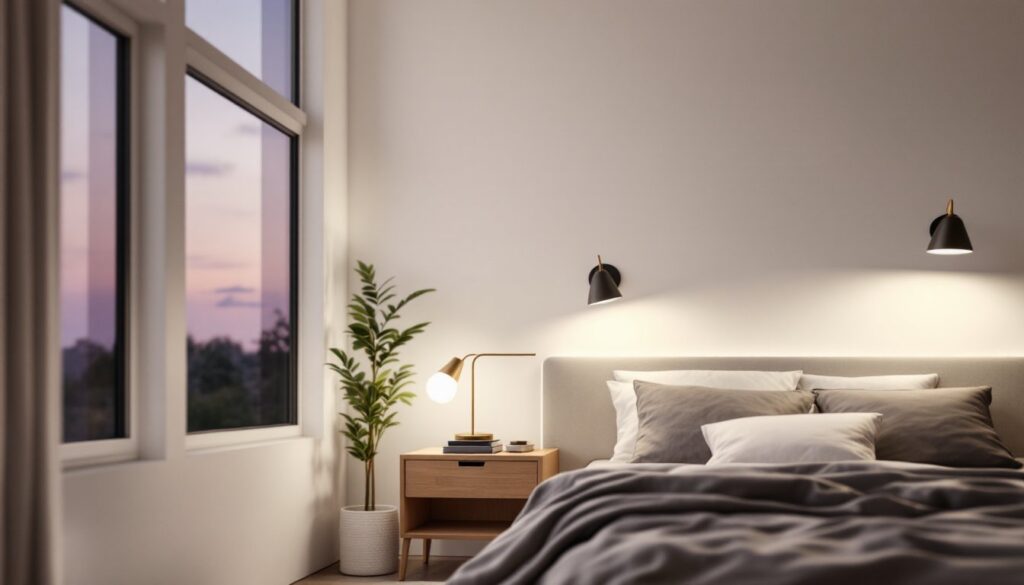
Good bedroom lighting does more than illuminate, it sets the mood for rest, makes dressing easier, and ties together the room’s whole aesthetic. Yet many people neglect bedroom lighting, slapping a builder-grade fixture overhead and calling it done. The truth is, thoughtful lamp selection can transform a bland sleeping space into a retreat that’s both functional and welcoming. Whether starting from scratch or upgrading fixtures that have seen better days, the right bedroom lamps solve real problems: providing task light for reading, creating ambient warmth, and adding visual interest without very costly. This guide walks through five practical bedroom lamp ideas that balance style, performance, and actual usability.
Key Takeaways
- Bedroom lamp ideas should combine function with form—table lamps with 3-way dimmable bulbs, wall sconces, floor lamps, and pendant lights each solve different lighting challenges and aesthetic goals.
- Proper lamp height and placement are critical: bedside table lamp shades should sit at eye level (18–24 inches tall), wall sconces need to mount 36–48 inches above the mattress, and floor lamps should reach 60–65 inches to frame vertical space effectively.
- Warm white LED bulbs (2700K–3000K color temperature) create a relaxing bedroom environment and support better sleep, while cooler tones (4000K+) should be reserved for task areas away from the sleeping space.
- Layered lighting using ambient, task, and accent fixtures with separate switches or dimmers lets you adapt brightness to your bedroom’s daily rhythm—from clear morning light for dressing to soft evening glow for winding down.
- Smart LED bulbs save up to 75% energy compared to incandescent bulbs and offer scheduling, dimming, and color control via phone apps, though compatibility with existing dimmer switches should be verified before purchase.
- Wall-mounted sconces and pendant lights free up nightstand space and add architectural interest, making them ideal solutions for small bedrooms or unconventional layouts where traditional bedside tables don’t fit.
Table Lamps: Classic Bedside Lighting With Modern Flair
A solid table lamp on each nightstand remains the workhorse of bedroom lighting. It’s reliable, familiar, and gets the job done, but boring is optional.
The best bedside table lamps combine function with form. Look for a 3-way bulb socket (or dimmable LED equivalent) that lets you adjust brightness from a soft 40 watts to a brighter 100+ watts without getting out of bed. Height matters too: the lampshade bottom should sit at roughly eye level when seated, typically 18–24 inches tall from base to shade. This prevents glare and ensures light spreads evenly across a book or phone.
Material options run the gamut. Ceramic bases are durable and come in endless colors and patterns. Metal frames, brass, matte black, or brushed nickel, work with modern or transitional bedrooms. Wood bases add warmth to traditional or rustic settings. Avoid flimsy plastic that wobbles on a nightstand: bedside lamps catch elbows and get bumped.
Shade choice is equally important. Fabric shades (linen, cotton blends) diffuse light evenly and feel warm: frosted glass or acrylic works for a cleaner look. Darker shades eat more light, so if you need task brightness, go with white or cream interiors. A drum or tapered shape suits most spaces, while bell-shaped shades suit traditional rooms.
Pick bulbs carefully: warm white LEDs (2700K color temperature) create the cozy glow bedrooms need, while cool white (4000K+) can make a room feel sterile. Since you’ll use these lamps daily, dimmable LEDs save energy and let you fine-tune ambiance without replacing bulbs constantly.
Wall-Mounted Sconces: Space-Saving Elegance for Small Bedrooms
When nightstand space is tight or nightstands don’t fit the room layout, wall-mounted sconces flanking the bed or positioned beside a headboard become lifesavers. They free up surface area and add architectural interest to blank walls.
Sconce placement is critical for usability. Mount them 18–24 inches outboard (away from the center of the bed), at roughly eye level when lying down, around 36–48 inches above the mattress, depending on ceiling height and personal preference. Test height before drilling holes: standing on the bed with a tape measure is worth the awkwardness. You want light that doesn’t shine directly in your eyes but still illuminates a book or phone.
Electrically, sconces require a wall switch or remote control. Some run off existing bedroom circuits: others may need a dedicated run if adding circuits. Hardwired sconces are permanent and look built-in, while plug-in sconces with cords (hidden behind a headboard or along trim) work as a renter-friendly alternative. If you’re not comfortable with electrical work, hire a licensed electrician, a short or fire hazard isn’t worth a DIY mistake.
Design-wise, glass, linen, or metal shade options run from minimalist (simple glass cylinders) to ornate (fabric shades with decorative hardware). Uplight and downlight fixtures serve different purposes: uplight bounces off ceiling to soften the room, while downlight focuses on your bed. Many people prefer a combination of both, mounting one uplight on each side and adding a separate reading fixture if needed.
Matching pairs look intentional, but mixed sconces can work if the overall style, metal finish, shade color, feels cohesive. Install three-way or dimmable bulbs for flexibility between a cozy glow and reading brightness.
Statement Floor Lamps: Bold Design That Commands Attention
A statement floor lamp anchors a bedroom corner, creates visual drama, and solves lighting for awkward layouts. Unlike table lamps, floor lamps make style the priority alongside function.
Look for designs that match the room’s aesthetic: arc lamps sweep over the bed for reading without a bedside table: tripod lamps add mid-century appeal: sculptural brass or ceramic bases grab attention. The key is choosing something that looks intentional, like you selected it for the room, not grabbed it from a discount bin.
Size and placement deserve thought. A floor lamp should be roughly 60–65 inches tall to throw light across a corner effectively and frame vertical space. Position it in a sleeping room corner away from foot traffic, or beside an armchair if the bedroom doubles as a reading nook. A lamp positioned too close to the bed becomes an ankle-biter and a decor afterthought.
Multi-head floor lamps or those with adjustable arms provide flexibility: angled toward the wall for ambient light, or swung toward a chair for task brightness. Look for weighted or stable bases that won’t tip if bumped by dressers or vacuums. Tripod designs are naturally stable: pedestal bases should be heavy enough to feel solid.
Finish options include brushed metals, painted wood, or ceramic. Black and brass remain timeless: muted colors (sage, taupe, navy) blend better than bright primaries if the lamp shares visual space with a bed or wall color. Make sure the cord is long enough to reach an outlet without running across the floor where someone might trip: hide excess along trim or behind furniture if possible.
Pendant Lights: Overhead Drama and Ambient Warmth
Pendant lights hung from the ceiling create a focal point and distribute light more evenly than a single overhead fixture. Two pendant lights, one on each side of the bed, mimic bedside lamps without taking up table space.
Installation requires running electrical into the ceiling and mounting a fixture to a ceiling box, or converting an existing fixture location (easier). If no power is currently overhead, hire an electrician: running new circuits in walls isn’t a casual weekend task. Existing outlets can sometimes be modified without major rewiring, but jurisdictions vary. Check local electrical codes before starting, most areas require permits for new ceiling circuits.
Height and spacing matter for comfort. Pendants should hang 12–18 inches below the ceiling (measured from the fixture canopy to the bulb or shade bottom), and at least 24 inches apart if installing two. Over a bed, they’re mainly ambient and decorative: position them slightly outboard (not directly above the head) so light doesn’t glare into eyes. If used for reading, ensure the shade directs light downward.
Shade materials influence the light quality: frosted glass or acrylic diffuses evenly and feels modern: fabric or linen softens light and adds texture: bare Edison-style bulbs work for industrial bedrooms but can glare without a diffuser. Pendant diameter should scale to the room, a 10-inch pendant in a small bedroom feels oversized, while an 8-inch fixture suits average spaces better.
Color temperature matters. Warm white LEDs (2700K) keep pendants cozy: cool white risks making the bedroom feel clinical. Dimmable pendants let you shift from reading brightness to a soft nighttime glow. If ceiling height is low (under 8 feet), choose shallow pendant designs or flush-mount alternatives to avoid head bumps during decorating or future work.
Choosing the Right Brightness and Color Temperature
Bedroom lighting brightness is personal, but some science applies. Lumens (light output) matter more than old wattage ratings now that LEDs dominate. A bedroom reading lamp needs roughly 400–600 lumens: ambient or accent lighting runs 100–300 lumens. Brighter isn’t always better, over-lit bedrooms feel harsh at night.
Color temperature (measured in Kelvins, K) affects mood and sleep quality. Warm white 2700K mimics incandescent light and feels relaxing: 3000K offers a neutral warm-white that works everywhere: 4000K and above resembles daylight and can suppress melatonin if used close to bedtime. Stick with 2700–3000K for main bedroom lamps, reserving cooler tones for task areas like a makeup table or reading nook far from the sleeping area.
Dimmable bulbs or fixtures are worth the modest extra cost. They let you match brightness to the time of day, brighter for dressing, softer after sunset. Look for LEDs rated for dimming: not all LED bulbs are dimmable, and incompatible dimmer switches waste money. Check the bulb packaging or ask a salesperson if unsure.
Smart and Energy-Efficient Lighting Options
Modern smart bulbs and fixtures let you adjust brightness, color, and even schedule lighting from a phone app or voice command. Bedside reading and early morning wake-ups become easier when you can dim lights without reaching over to a switch.
LED bulbs dominate for good reason: they last 15,000–50,000 hours (10–30 years in typical use), use 75% less energy than incandescent, and run cool enough to touch without burning. A 9-watt LED delivers similar brightness to a 60-watt incandescent while costing pennies to run. Over a decade, the savings add up, especially if you have multiple lamps burning nightly.
Smart bulbs (WiFi or Bluetooth-enabled) work with apps or ecosystems like Alexa or Google Home. You can set schedules (lights gradually brighten at wake-up time), adjust color temperature throughout the day, or create scenes (bedtime = warm, dimmed light). Prices range from $10–$30 per bulb, making them more affordable than dedicated smart fixtures. The tradeoff is a bit more setup and the requirement for a compatible hub or WiFi connection.
Integrated smart fixtures (where the whole lamp is smart) eliminate the need for separate smart bulbs but cost more upfront. They’re ideal for new construction or full renovations. Existing lamps work fine with smart bulbs added, making it an easy upgrade.
WARNING: Smart bulbs don’t work with older dimmer switches: research compatibility before buying. Also, if a smart bulb’s WiFi drops, it reverts to a default state (usually on), which defeats the purpose of scheduling. Keep a regular dimmable bulb on hand as a backup.
Creating the Perfect Bedroom Ambiance With Layered Lighting
Pro designers layer lighting into three types: ambient (overall room brightness), task (focused light for reading or dressing), and accent (decorative mood). Bedrooms work best with all three.
Ambient lighting can come from a dimmed ceiling fixture, wall sconces, or a floor lamp pointed at the ceiling. It sets the room’s baseline brightness without harsh spots. Task lighting (bedside table lamps, pendants over reading chairs, or vanity fixtures) gets brighter and more focused. Accent lighting might be a decorative pendant, uplighting on wall sconces, or bias lighting behind a headboard, it’s purely visual.
The trick is using separate switches or dimmers for each layer. This way, you’re not choosing between full brightness or complete darkness: you can activate just the bedside lamp for late-night reading, or use sconce ambiance for a wind-down evening. If budget is tight, dimmable multi-way bulbs in a single fixture offer some flexibility, but dedicated circuits give the most control.
Think about your bedroom’s daily rhythm. Morning dressing needs clear light: evening wind-down needs warmth and dimness: reading in bed needs focused brightness without waking a partner. Layer your lamps accordingly, and you’ll find the bedroom becomes a space that adapts to what you actually need.