
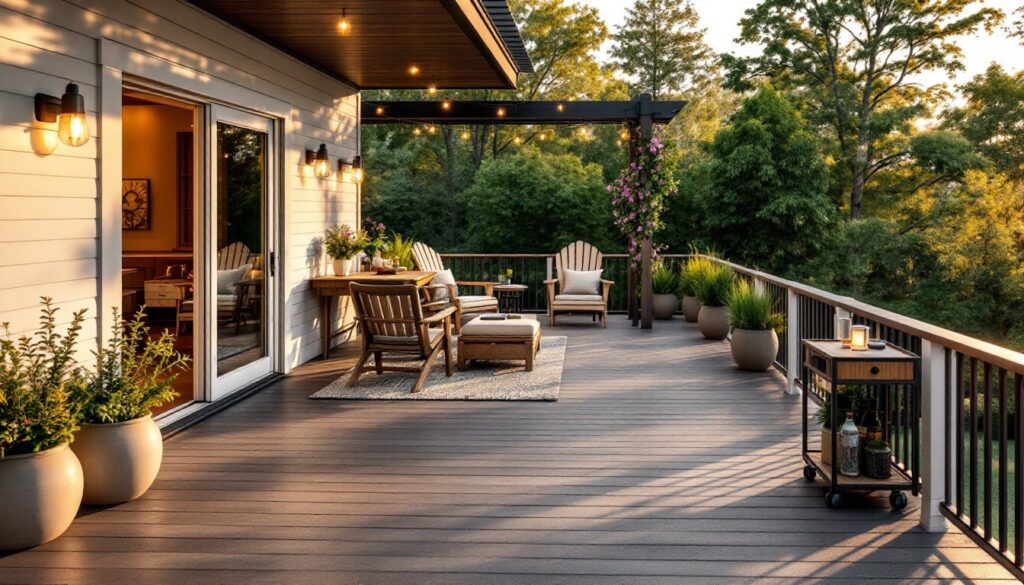
A second-floor deck isn’t just a platform, it’s an extension of the home that captures views, catches breezes, and opens up outdoor living without the yard work. But building and outfitting an elevated deck comes with specific challenges: weight limits, weathering exposure, and the need to think vertically about how people use the space. The good news? The right material choices, smart layout, and thoughtful finishing touches turn a raw second-floor deck into a functional oasis that works year-round. This guide walks through the practical steps to design and execute a second-floor deck that’s both beautiful and built to last.
Key Takeaways
- A second-floor deck requires careful material selection—pressure-treated lumber offers affordability, while composite decking minimizes long-term maintenance at a higher upfront cost.
- Divide your second-floor deck into functional zones (dining, relaxation, prep) to maximize usability and create intentional gathering spaces without cluttering the platform.
- Layer ambient, task, and accent lighting to transform your elevated deck into a usable retreat from sunset through bedtime while ensuring all electrical work meets NEC safety standards.
- Adequate shade is critical for second-floor decks; invest in retractable awnings, pergolas, or shade sails based on your deck’s sun exposure to prevent summer heat from making the space unusable.
- Container gardening with lightweight planters keeps your deck functional without exceeding weight limits, while establishing a maintenance schedule prevents water damage to the structure beneath.
- Weatherproofing essentials—sealant application every 2–3 years, proper flashing installation, and annual inspections—are non-negotiable to prevent rot in structural components and keep your deck safe and durable.
Choosing the Right Materials and Layout
Material selection makes or breaks an elevated deck. Weight is the first constraint, a second-floor structure must support snow loads, people, and furnishings without exceeding the home’s structural capacity. Check the building plans or have a structural engineer confirm the deck can safely carry the intended load.
Pressure-treated lumber remains the budget-friendly choice. Standard 2×10 or 2×12 joists span 16 inches on center for typical residential loads. It’s durable and proven, but expect to maintain it every two years with sealant to prevent rot and splitting.
Composite decking, a blend of wood fibers and plastic, costs more upfront but cuts maintenance sharply. Brands like Trex, TimberTech, and Azek won’t rot, splinter, or need staining. The trade-off is they can feel hotter underfoot in direct sun and occasionally stain from organic debris.
Tropical hardwoods (cumaru, ipe) resist rot naturally but are expensive and harder to work with, dull saws faster, require pilot holes for fasteners. Save these for high-traffic areas or when aesthetics demand premium wood.
Layout depends on your deck’s footprint and how much shade the house casts. An east-facing second-floor deck gets morning sun but afternoon shade, ideal for morning coffee and evening gatherings. A west-facing exposure runs hot in summer: plan shade structures accordingly.
Keep the deck orientation and sight lines in mind. If the deck overlooks a street or neighbor’s house, position seating to face views that matter. A wraparound or L-shaped layout makes efficient use of corner space and works with the home’s architecture.
Creating Functional Outdoor Zones
An elevated deck thrives when divided into intentional zones. Without clear purpose, a deck feels sprawling and underused.
Dining and Entertainment Areas
Reserve the area closest to the patio door for dining and prep. Position a 6-foot dining table with comfortable chairs at least 3 feet from the deck edge for safe passage. If the deck is smaller than 12×16 feet, a café-style bistro table (30–36 inches square) saves space without sacrificing function.
If you plan a built-in bench seating along one edge, frame it with 2×10 material and use pressure-treated plywood for the seat base. Add outdoor cushions, weather-resistant, zippered covers are worth the extra cost, and suddenly the bench becomes an inviting gathering spot. Build it no deeper than 18 inches so people don’t feel precarious on an elevated platform.
Keep the grill, cooler, or beverage station near the door. A rolling cart on locking casters doubles as mobile storage and keeps drinks accessible without cramping the dining zone.
Relaxation and Lounge Spaces
Position lounge chairs and sofas away from the main circulation path, ideally in a corner or along the outer edge where people aren’t passing through. A pair of Adirondack chairs (about 28 inches wide each) with a small side table fits comfortably in a 6×8-foot corner.
If you’re adding a hot tub or soaking pool, a 2×2-foot galvanized stock tank or an acrylic soaking tub, place it where it doesn’t block sightlines and where you can run electrical and water lines safely from below. Check local codes: some jurisdictions require permits and GFCI outlets for any water feature on a deck.
Create a visual buffer between the lounge zone and the busy areas using tall planters, a trellis, or low privacy screens (36–42 inches high). This signals “relax here” and makes the space feel more intimate on an exposed second floor.
Enhancing Your Deck With Lighting and Shade
Lighting transforms an elevated deck from sunset-only to dusk-till-bedtime usable. Layer three types:
Ambient lighting, overhead recessed fixtures or strips under the fascia, sets the mood. String lights (Edison bulbs or bistro lights) draped overhead add character and make the space feel enclosed and cozy.
Task lighting on dining tables (a pendant hanging from the house overhang or a portable solar lantern) ensures people can see their food and cards. Solar pathway lights along the deck edge provide safety, crucial on an elevated platform, and cost nothing to run.
Accent lighting highlights plants or architectural features. A few strategically placed spotlights angled upward create depth and draw the eye outward to views.
All electrical work on a deck must follow the NEC (National Electrical Code). Install a GFCI-protected outlet (easy retrofit if one doesn’t exist) and run outdoor-rated wire in rigid conduit where exposed. Hire a licensed electrician if you’re not confident: it’s not worth a shock or fire hazard.
Shade is non-negotiable on a second floor, there’s no escaping the sun. A motorized retractable awning ($2,000–$5,000 installed) covers a large area quickly: think of it as a retractable roof over the dining zone. A pergola with adjustable louvers ($1,500–$3,500 DIY) filters light and looks cleaner than canvas. If budget is tight, a shade sail, a triangular tensioned fabric anchored to posts, costs $300–$800 and works for smaller decks.
Consider orientation: a west-facing deck needs serious afternoon shade, while an east-facing deck may only need protection near the dining table. Don’t skimp on this, inadequate shade turns an otherwise pleasant deck unusable in summer.
Landscaping and Greenery for Upper-Level Decks
Containers are your friend on a second floor, they’re lighter than in-ground beds and give you control over soil and drainage. Root-bound plants in lightweight fabric pots also won’t overload the deck structure.
Choose large planters (18–24 inches deep, 16+ inches diameter) filled with quality outdoor potting mix (not garden soil, which holds water and stays heavy). Group odd numbers of pots, three or five, near corners and the perimeter to frame the space without cluttering the center.
Evergreen shrubs like boxwood or dwarf conifers anchor a design and work year-round. Add seasonal flowers and ornamental grasses for texture and color. Trailing vines (clematis, climbing jasmine) on a trellis soften hard edges and can eventually shade a seating area.
Check weight: a 24-inch ceramic pot filled with wet soil weighs about 75 pounds. Calculate total plantings and confirm the deck can handle the load without exceeding limits. Self-watering containers reduce chores, but even then, establish a weekly check-in schedule, elevated decks dry faster.
Don’t overlook edibles: a few pots of herbs (basil, rosemary, oregano) near the kitchen door are convenient and fragrant. Dwarf fruit trees in large containers (peach, apple) add visual interest and productivity if you’ve got 16+ hours of direct sun.
Weatherproofing and Maintenance Essentials
Second-floor decks take a beating from weather, no ground-level shelter, full sun, driving rain, and temperature swings. Plan maintenance upfront or watch wood warp and composite dull.
Sealant and stain are essential for pressure-treated wood. Apply a water-repellent sealant or semi-transparent stain every 2–3 years, depending on climate. If you see water beading on the deck, sealant is still active: if water absorbs into the wood, it’s time to recoat. Clean the deck first (power wash at 1,500 PSI max, higher damages wood) and let it dry 48 hours before applying sealant.
Composite decking requires less: occasional washing with mild soap and a soft brush, and spot-cleaning of mold (white vinegar works) in damp climates. No stain needed, but some composites fade slightly over time, a normal cosmetic change, not a durability issue.
Flashing and trim are critical. Water infiltration beneath the deck causes rot in the band board and rim joist (the structural frame where the deck attaches to the house). Install metal flashing under the ledger board and ensure it slopes outward so water sheds away. Check annually: bent or missing flashing is a silent rotting problem.
Drainage under the deck matters too. If there’s a covered porch or roof underneath, gutters or a drainage system keep water from pooling on lower surfaces.
Fasteners, nails and screws, should be stainless steel or hot-dipped galvanized to resist rust. Composite decking typically uses stainless fasteners. Rusted fasteners weaken connections and stain the deck surface.
Inspect railings, posts, and stairs annually. Joists can rot invisibly: a moisture meter (under $20) helps catch soft spots before they become safety hazards. If a joist shows more than 20% moisture content, consider replacement, this is structural and not a DIY fix if you’re unsure.