
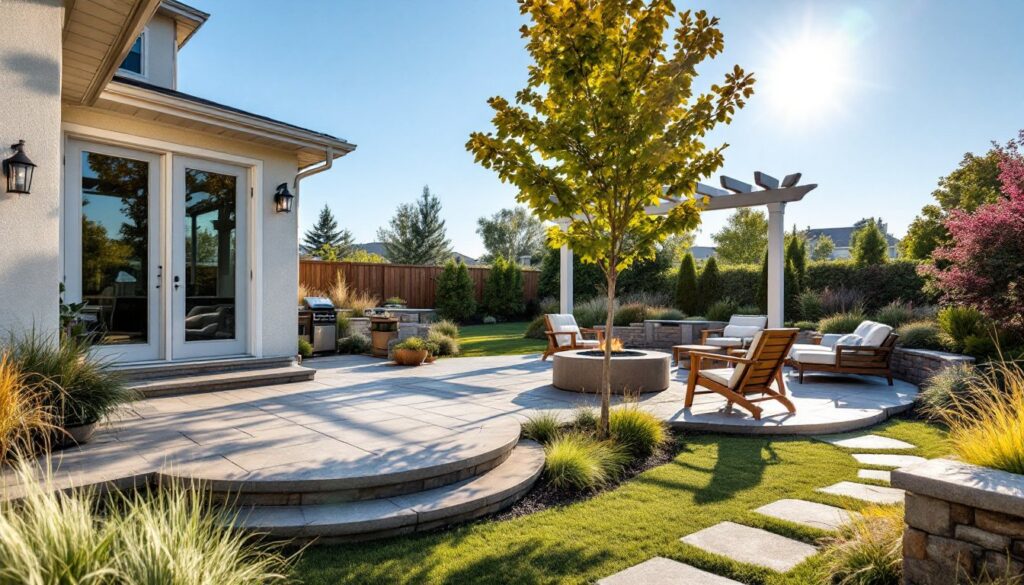
A two-level patio opens up possibilities that a single flat deck simply can’t match. By stepping down, or up, from one tier to another, a homeowner creates visual interest, defines different functional zones, and maximizes usable outdoor space on even modest lots. Whether the goal is adding an elegant entertaining area, carving out a quiet reading nook, or building an outdoor kitchen setup with a separate lounge below, multi-tiered patios deliver both aesthetic appeal and practical living improvements. The key is thoughtful design that works with the existing landscape rather than against it. This guide walks through why two-level patios work, the design styles that suit them best, and the concrete steps to plan and build one that fits the home’s character and the family’s lifestyle.
Key Takeaways
- Two-level patio ideas create visual depth and define functional zones that transform small yards into multi-purpose outdoor living spaces.
- Multi-tiered patios naturally accommodate sloping terrain, improving drainage and reducing costly site preparation compared to single-level designs.
- Modern two-level patios use clean lines and large-format pavers, while rustic styles embrace irregular stone and natural materials for contrasting aesthetics.
- Proper layout planning requires standard stair dimensions (7-inch risers, 11-inch treads), handrails for safety, and pathways that logically connect upper entertaining zones to lower relaxation areas.
- Landscaping, edge details, and finishing touches like coping stones and weather-resistant furniture tie the patio design together while improving drainage and long-term maintenance.
- Successful two-level patio construction starts with site grading, utility identification, and to-scale sketches before building to ensure safety and prevent costly rework.
Why Two-Level Patios Create Better Outdoor Living
A single-level patio flattens the landscape. A two-level patio sculpts it, creating visual depth that draws the eye outward and makes even a small yard feel larger. The separation also serves a functional purpose: upper levels work well for dining and cooking, while lower tiers become retreats for lounging or play areas for kids.
Multi-tiered designs naturally handle sloping terrain too. Rather than fighting an incline with retaining walls and fill, a two-level layout flows with the grade, reducing both site prep and cost. The elevation change also improves drainage, keeping water from pooling during heavy rain. From an entertaining angle, splitting the space lets hosts mingle between zones, guests can socialize on the upper deck while others relax below, reducing crowding.
Another practical win: two levels create opportunities for built-ins. A lower tier’s edge becomes a bench or planter wall. Steps themselves become landings for potted plants. These micro-features add charm and function without needing extra square footage. For homes on tight lots, this vertical thinking stretches the usable outdoor space in ways a flat patio never could.
Design Styles for Multi-Tiered Patios
Modern and Contemporary Designs
Clean lines, minimalist forms, and an emphasis on horizontal planes define the modern two-level patio. Think broad stepping stones, flat pavers in neutral tones (gray, charcoal, or warm tan), and steel or composite railings if codes require them. Upper decks often sit flush with the house’s patio door, then drop 12 to 18 inches to a lower lounging area. Raised planter boxes or low steel edging frame the levels without fussy decoration.
Contemporary designs pair well with poured concrete, large-format pavers (24 inches or bigger), or light-colored porcelain tile that mimics limestone. Floating steps, treads that cantilever from a central stringer or side support, add visual lightness. Minimal sight lines and sightlines that blend indoors and out make these patios feel like extensions of the living space rather than separate outdoor rooms.
Rustic and Natural Aesthetics
Rustic multi-level patios celebrate natural materials and softer transitions. Irregular flagstone, stacked slate, or locally quarried stone create layers of texture. The upper level might be gravel or decomposed granite bordered by timber edging, while the lower tier steps down via thick-cut stone risers anchored into the slope. This style thrives when patios follow the land’s natural contours rather than impose rigid geometry.
Wood plays a strong role too. Cedar or pressure-treated deck boards on the upper tier, paired with stone steps and a lower patio of slate or limestone, create warm, inviting contrasts. Rustic designs often incorporate natural edges (live edges on wood), hand-placed stones, and soft plantings that soften the transition between levels. A mix of materials, wood, stone, gravel, and soil, feels intentional rather than cobbled together.
Material Selection and Layout Planning
Start with the soil and slope. Grade the site to understand how water flows, identify level areas where you can build, and spot where retaining walls or fill will be needed. A rough contour map or even photos marking high and low spots inform smarter design.
For materials, match the home’s existing architecture. A contemporary house calls for uniform pavers and modern colors: a farmhouse or cottage suits natural stone and varied textures. Common choices include composite decking (durable, low-maintenance), poured concrete (economical, but can crack in freeze-thaw climates), and natural stone (beautiful and timeless, but pricier and requires skilled installation).
Layout hinges on traffic flow. Stairs should connect the levels logically, typically from the upper deck’s main gathering spot to the lower lounge. Standard stair dimensions help: 7-inch risers and 11-inch treads (measured nose-to-nose). Check local building codes, which often require handrails if the rise exceeds 30 inches. An intermediate landing every 12 to 15 steps improves safety and eases the visual transition.
Measure twice and sketch the layout to scale on paper or using a free tool like Google Sketchup. Note utilities (buried lines, septic systems, property lines) before breaking ground. A sloped lot may need a professional grading survey if the drop exceeds 3 or 4 feet, it’s worth the $300 to $500 upfront rather than rework later.
Creating Functionality Across Two Levels
Zoning transforms a two-level patio from a pretty backdrop into a true outdoor living space. The upper tier near the house naturally becomes the entertaining zone, ideal for a gas grill, small refrigerator, and prep table. Keep this area close to the kitchen door for easy food and drink runs.
The lower level thrives as a relaxation zone. Position lounge chairs and a low fire pit or bistro table for conversation. If the yard allows, a third tier, or even a gentle slope, can extend play space or a garden bed, reinforcing the sense of distinct zones.
Stairs are functional elements too. Wide steps (at least 4 feet) let people pass comfortably. If space allows, a secondary set of stairs or a gentle slope-path to one side provides alternate access and prevents wear patterns. Some designers build steps that double as seating during gatherings, deep, low steps work like bleachers.
Connectivity matters. Pathways (even simple gravel strips bordered by pavers or landscape edging) should lead from one level to another intuitively. Lighting, solar steps, deck lights, or low path lights, guides traffic at dusk and prevents missteps. A handrail becomes both a safety code requirement and a design feature: modern metal or natural wood railings complement different aesthetic choices.
Landscaping and Finishing Touches
Landscaping softens hard surfaces and ties the patio into the broader yard. Plant hardy shrubs or ornamental grasses along the patio edges, they frame the view, hide neighboring properties, and provide screening on windy days. Native plants suited to the local climate require less water and maintenance.
Retaining walls separating the levels become planting opportunities. A 3 to 4-foot wall can host trailing sedums or ornamental grasses at the top, with perennials spilling from the face. This layered greenery adds visual depth and breaks up the severity of stacked stone or concrete.
Finishing touches elevate the design. Exterior-grade furniture in weather-resistant materials (teak, aluminum, or all-weather wicker) stays put year-round. A pergola or shade sail overhead creates a destination feel, especially on the upper entertaining tier. Outdoor rugs (rated for wet environments) define seating areas and add warmth to concrete or stone.
Edging and finishing details matter. Coping stones cap retaining walls, preventing water from seeping into joints. Gravel or mulch in planting beds reduces weeds and helps with drainage. Even a simple composite or metal edging around planting areas makes the design feel intentional. Finally, consider ease of maintenance: sealed stone resists staining, composite decking never needs refinishing, and well-draining gravel in planting zones beats mud around the edges.
<h2 id="” data-id=””>Transform Your Outdoor Vision Into Reality
A two-level patio transforms how a family uses and enjoys their outdoor space. By creating distinct zones, handling natural slope gracefully, and selecting materials that match the home’s style, a homeowner can build a patio that feels custom-designed yet remains approachable for a DIY enthusiast with help on the heavy lifting. Start with good planning, measure, sketch, understand drainage, then build methodically, paying attention to details like handrails and step dimensions that ensure safety and longevity. The result is an outdoor living space that adds genuine value and daily pleasure for years to come.