When it comes to Houses in Multiple Occupation (HMOs), safety is a top priority for both landlords and tenants. One critical component that often goes overlooked is the HMO fire door. These doors are not just regular fittings; they play a vital role in protecting lives and property during a fire. Understanding their importance, regulations, and maintenance can save both money and, more importantly, lives.
What is an HMO Fire Door?
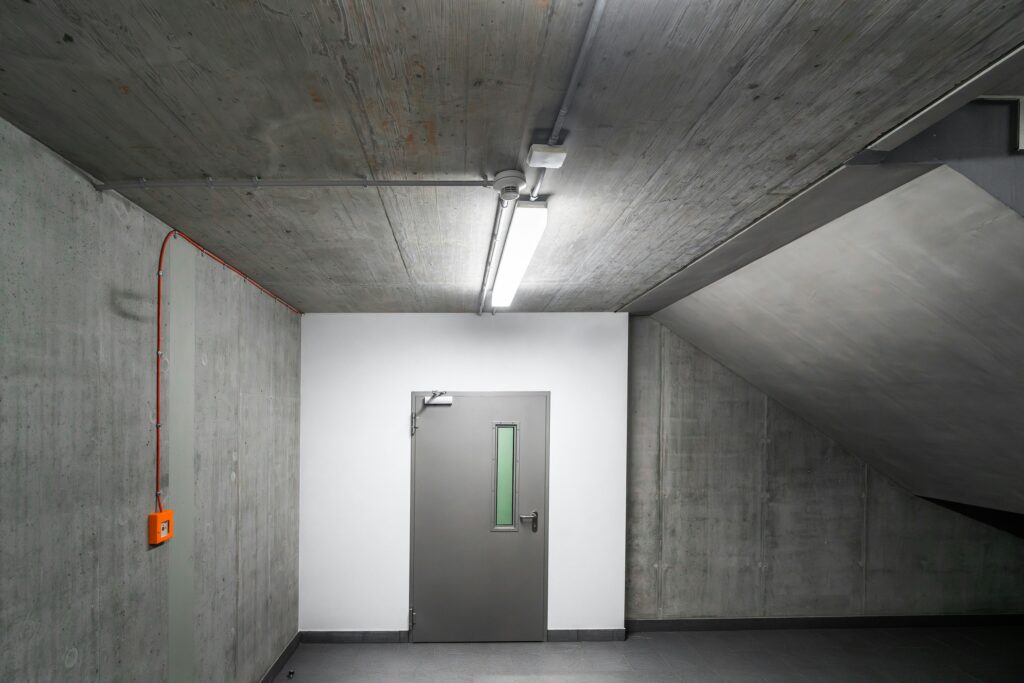
An HMO fire door is a specially designed door that helps contain fire and smoke within a specific area, giving occupants more time to evacuate safely. Unlike standard bedroom doors, fire doors are constructed from materials that can withstand high temperatures and slow the spread of flames. HMO fire doors are commonly installed in key locations such as the entrance doors to individual rooms, doors leading to communal areas, and in hallways or staircases. By compartmentalizing fire, these doors help prevent it from spreading rapidly, giving residents and emergency services the crucial time needed to respond.
Why HMO Fire Doors are Essential
Life-Saving Protection: Fire doors provide an extra layer of safety, reducing the risk of smoke inhalation and burns. They are especially vital in multi-occupancy buildings where multiple people may be sleeping or unaware of a fire outbreak.
Regulatory Compliance: HMO landlords are legally required to meet specific fire safety standards. Failing to install proper fire doors can lead to fines, legal action, or even imprisonment in extreme cases.
Insurance Requirements: Most insurance developments providers mandate the installation of fire doors in HMOs. Without them, your policy might be invalidated, leaving you financially vulnerable.
Property Protection: Fire doors limit damage to property by containing fire to one area, reducing repair costs after an incident.
HMO Fire Door Regulations in the UK
Compliance with fire safety regulations is crucial for any HMO landlord. The key regulations covering fire doors include:
- The Regulatory Reform (Fire Safety) Order 2005: This legislation requires landlords to carry out a fire risk assessment and implement adequate safety measures, including fire doors.
- Building Regulations Approved Document B: This document provides guidance on fire safety measures, including specifications for fire doors in HMOs.
- Local Authority HMO Licensing: HMO master must meet local council fire safety standards, often requiring fire doors with specific ratings.
Fire doors must be certified to meet a minimum fire-resistance rating, usually 30 minutes (FD30) for internal doors and 60 minutes (FD60) for doors leading to escape routes. They should also be self-closing and fitted with appropriate fire-rated hardware such as hinges and locks.
Choosing the Right HMO Fire Doors
Not all fire doors are created equal, and selecting the right one for your HMO Architects property is essential. Key considerations include ensuring the door has the correct fire resistance (FD) rating suitable for its location, as this determines how long it can withstand fire. Material quality is also important, with fire doors commonly made from timber, steel, or composite materials, each offering different levels of durability and maintenance needs. Always choose doors that are certified by recognized bodies such as BM TRADA or Warringtonfire to guarantee compliance and reliability. Proper fitting and ongoing maintenance are equally critical, as even the highest-quality door cannot perform effectively if it is installed incorrectly or damaged over time. Regular inspections help ensure the door remains fully functional and compliant with safety standards.
Common Mistakes Landlords Make
Even experienced landlords sometimes overlook essential aspects of fire door safety. Common mistakes include:
- Using non-certified doors in critical locations
- Failing to install self-closing mechanisms
- Ignoring fire door maintenance
- Not keeping up with updated HMO fire safety regulations
Benefits of Investing in Quality Fire Doors
While installing HMO fire doors involves upfront costs, the benefits far outweigh the investment:
- Enhanced safety for tenants
- Compliance with fire regulations
- Reduced insurance risks
- Protection of property from fire damage
Conclusion
For any HMO landlord, fire safety should be a top priority, and fire doors are an integral part of that strategy. Proper installation, regular maintenance, and compliance with regulations are non-negotiable. Investing in high-quality, certified HMO fire doors not only protects lives but also ensures your property remains compliant and well-insured.