
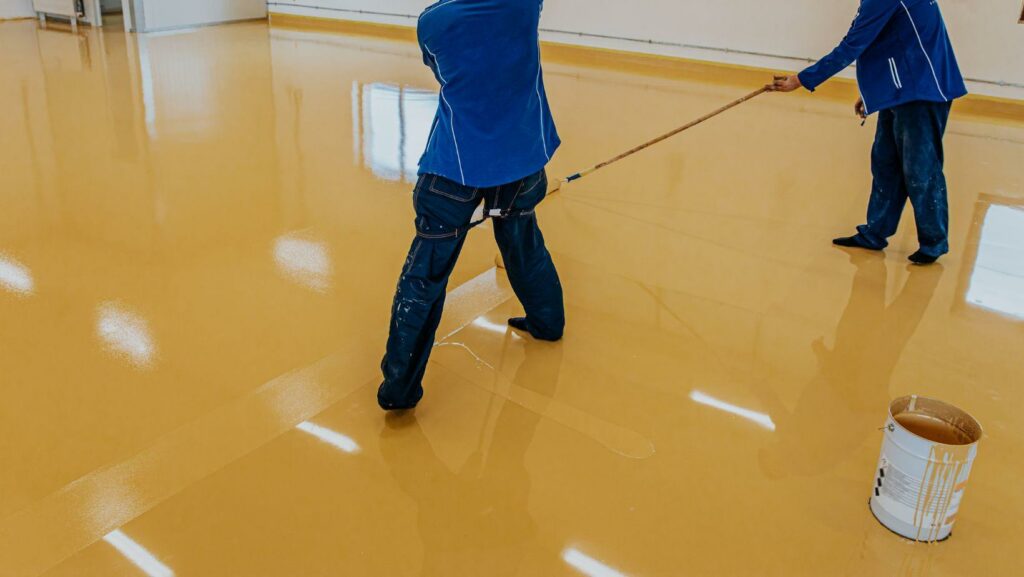
High-use spaces are designed to cope with constant activity. Warehouses, workshops, garages, commercial kitchens, and shared facilities all expect heavy foot traffic, equipment movement, spills, and repeated cleaning. Yet many of these spaces show signs of wear far earlier than anticipated. Floors dull, crack, peel, or become unsafe long before their expected lifespan.
Premature wear rarely comes down to a single mistake. It’s usually the result of several small decisions that seemed reasonable at the time but didn’t fully account for how the space would actually be used. This is why outcomes differ so dramatically between projects that plan carefully and those that rely on assumptions or generic solutions fromepoxy coating suppliers without fully matching the system to the environment.
Understanding what really causes early deterioration is the first step toward preventing it.
Underestimating How the Space Is Really Used
One of the most common causes of premature wear is misjudging actual usage. Spaces are often specified based on how they should be used, not how they will be used.
This includes:
When usage patterns exceed design assumptions,even good materials can fail early.
Abrasion Is More Aggressive Than People Expect
In high-use environments, abrasion is constant. Shoes, wheels, pallets, trolleys, and machinery all grind against surfaces repeatedly.
Abrasion damage accelerates when:
Over time, this wears away protective layers, exposing underlying material and speeding up degradation.
Chemical Exposure Isn’t Always Obvious
Many high-use spaces are exposed to chemicals without it being immediately apparent. Cleaning agents, oils, fuels, solvents, and even food by-products interact with surfaces daily.
Problems arise when:
Chemical attack often happens gradually, softening or weakening coatings before visible damage appears.
Surface Preparation Is Often Rushed
Surface preparation plays a major role in long-term durability, yet it’s one of the most undervalued steps.
Poor preparation can lead to:
These issues don’t always show immediately. Instead, they shorten the lifespan of the entire system, causing peeling, blistering, or cracking under normal use.
Thickness and Build Are Commonly Compromised
In high-use areas, coating thickness matters. Thin applications may look neat but often lack the resilience required for heavy wear.
Premature wear occurs when:
Inconsistent build creates weak points that deteriorate first, allowing wear to spread.
Movement Beneath the Surface Is Ignored
Floors and substrates aren’t static. They expand, contract, flex, and shift due to temperature changes, vibration, and load.
If coatings can’t accommodate that movement:
Rigid systems in flexible environments are a common cause of early failure.
Cleaning Practices Can Accelerate Wear
Ironically, cleaning routines intended to protect surfaces can sometimes cause damage.
This happens when:
Over time,aggressive cleaning strips protective layers faster than normal use would.
High-Impact Zones Aren’t Treated Differently
Most high-use spaces don’t experience uniform wear. Certain areas absorb far more stress than others.
Examples include:
When these zones aren’t reinforced or specified differently, they fail early and undermine the rest of the surface.
Short-Term Savings Create Long-Term Wear
Budget pressure often leads to decisions that favour upfront savings over lifecycle performance.
This includes:
While the surface may perform adequately at first, it reaches its wear threshold far sooner than expected.
Maintenance Is Treated as Optional
Even the most durable surfaces require maintenance. When maintenance is ignored or delayed, wear accelerates.
Lack of maintenance leads to:
Maintenance isn’t about keeping things perfect — it’s about preventing manageable wear from becoming irreversible damage.
Why Wear Often Appears “Sudden”
When surfaces fail early, it often feels like the damage appeared overnight. In reality, deterioration was building quietly for months or years.
Premature wear usually follows this pattern:
The surprise comes from relying on appearance rather than understanding wear behaviour.
Designing for Reality, Not Best-Case Scenarios
Preventing premature wear means designing for how spaces are actually used, not how they look on paper.
That involves:
When systems are selected and applied with real-world conditions in mind, surfaces last longer, perform better, and cost less over time.
Wear Is Predictable When You Know What to Look For
Premature wear isn’t random. It’s the predictable outcome of mismatched materials, underestimated stress, and overlooked details.
High-use spaces demand more than standard solutions. When wear is anticipated and designed for, surfaces stop failing early and start doing what they were meant to do — withstand daily use without becoming a constant repair problem.