Embarking on a home renovations ROI and it does fit your requirements can be an exciting prospect, promising a refreshed living space and, importantly, a boost to your property’s long-term value. But for beginners, the sheer scope of such a project can feel overwhelming.
Where do you start? What renovations offer the best return on investment?
This guide will walk you through the process, from initial research to smart decision-making, ensuring your renovation efforts translate into lasting value.
What We Cover:
- The Value of Smart Renovations
- Phase 1: Research & Planning – Laying the Foundation
- Understanding Your Local Market
- Assessing Your Home’s Potential
- Setting a Realistic Budget
- Phase 2: Educational Framework – What Adds Value?
- High-Impact Renovations for Maximum ROI
- Cosmetic Upgrades That Shine
- The Importance of Curb Appeal
- Energy Efficiency: A Smart Investment
- Phase 3: Execution – Bringing Your Vision to Life
- Hiring the Right Professionals
- Permits and Regulations
- Staying on Track and Budget
Introduction: The Value of Smart Renovations
Renovating your home isn’t just about aesthetics; it’s a strategic investment. When done thoughtfully, renovations can significantly increase your home’s marketability and resale value. For beginners, the key is to focus on projects that offer a strong return on investment (ROI) and address the needs of potential buyers, rather than solely personal preferences.
Phase 1: Research & Planning – Laying the Foundation
Before you pick up a hammer, thorough research and meticulous planning are crucial. This phase sets the stage for a successful and valuable renovation.
Understanding Your Local Market
- What are similar homes selling for? Research recent sales of comparable properties in your neighborhood. This will give you a benchmark for what buyers are willing to pay.
- What are the prevailing styles and features? Are modern kitchens in demand? Do buyers prefer open-plan living? Understanding local trends will guide your renovation choices.
- What are the common renovation types in your area? Are most homes being updated with additions, or are cosmetic changes more prevalent?
Assessing Your Home’s Potential
- Identify your home’s strengths and weaknesses. What are its best features? What needs the most improvement?
- Consider the “bones” of your house. Are there structural issues that need addressing before cosmetic upgrades?
- Think about flow and functionality. Does the current layout work for modern living?
Setting a Realistic Budget
- Be honest about your financial capacity. Factor in not just the cost of materials and labor, but also a contingency fund (10-20%) for unexpected expenses.
- Prioritize your spending. Not all renovations offer the same ROI. Focus on those that will yield the best results.
- Get multiple quotes. For any significant work, obtain bids from several reputable contractors.
Phase 2: Educational Framework – What Adds Value?
Not all renovations are created equal when it comes to adding value. Understanding which projects offer the best bang for your buck is essential.
High-Impact Renovations for Maximum ROI
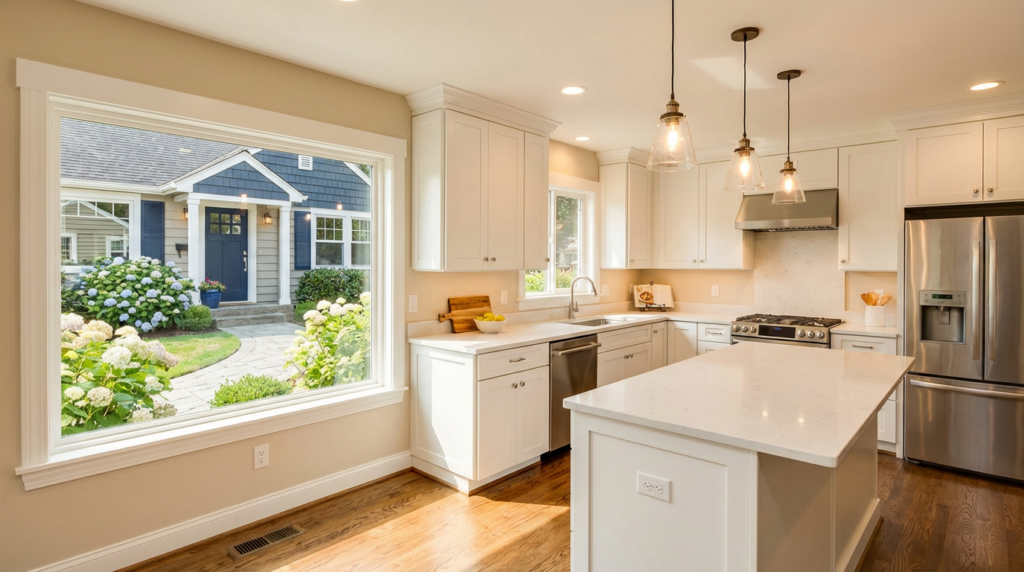
- Kitchen Renovations: A modern, functional kitchen is a major selling point. Updated cabinets, countertops, appliances, and lighting can significantly boost value.
- Bathroom Renovations: Similar to kitchens, updated bathrooms are highly desirable. Focus on clean lines, modern fixtures, and good lighting.
- Master Suite Additions/Renovations: Creating a comfortable and private master suite, complete with an en-suite bathroom and walk-in closet, is a significant value-add.
- Basement Finishing: Transforming an unfinished basement into usable living space (e.g., a family room, extra bedroom, or home office) can provide a substantial return.
Cosmetic Upgrades That Shine
- Fresh Paint: A fresh coat of neutral paint throughout the house can make it feel new and inviting.
- Updated Flooring: Replacing worn-out carpets or outdated tiles with modern options like hardwood, laminate, or luxury vinyl plank can make a big difference.
- New Light Fixtures: Modern lighting can transform the ambiance of a room and make it feel more contemporary.
- Updated Hardware: Swapping out old doorknobs, cabinet pulls, and faucet fixtures can provide a subtle but impactful upgrade.
The Importance of Curb Appeal
First impressions matter! A well-maintained exterior can significantly influence a buyer’s perception and willingness to pay.
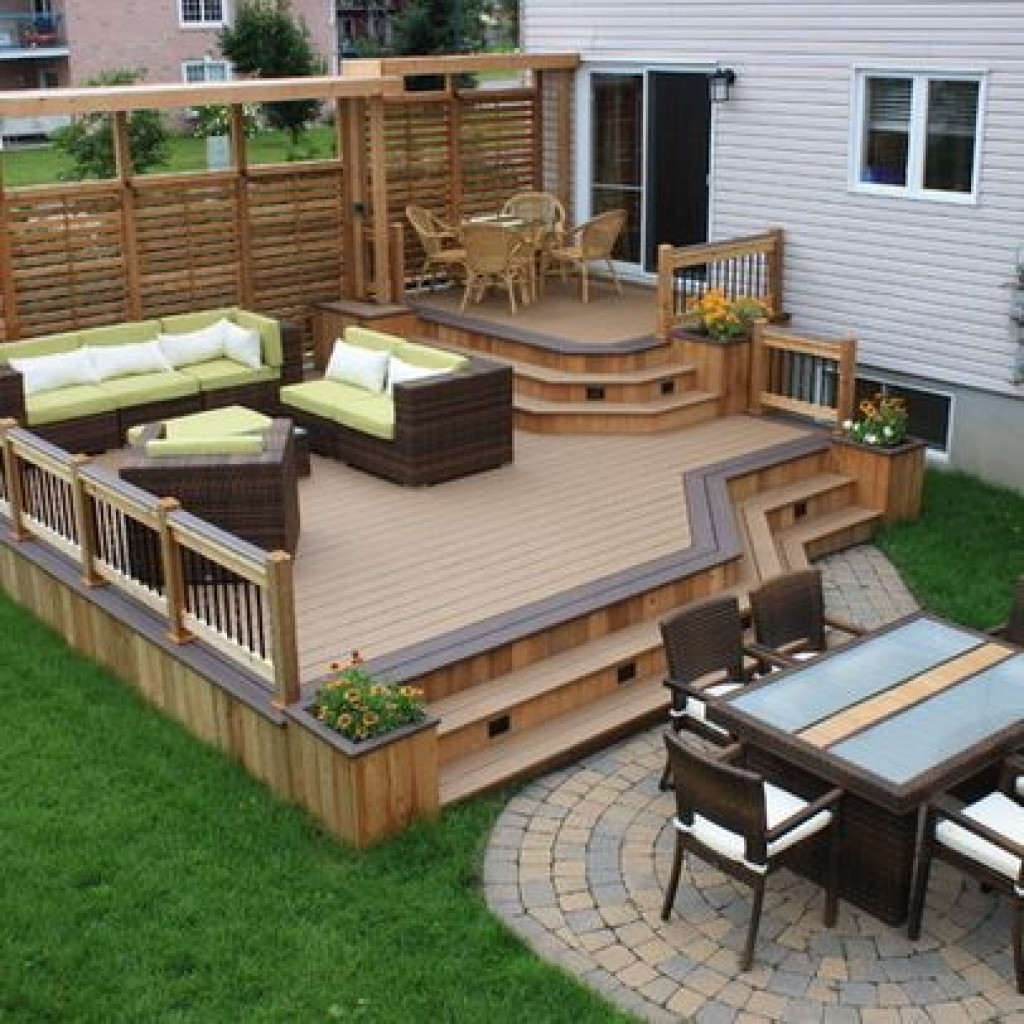
- Landscaping: Tidy lawns, well-maintained flower beds, and attractive entryways create a welcoming first impression.
- Exterior Paint: A fresh coat of paint on the siding, trim, and front door can revitalize your home’s exterior.
- Front Door: A stylish and well-maintained front door can be a focal point.
- Outdoor Lighting: Well-placed lighting enhances safety and aesthetics.
Energy Efficiency: A Smart Investment
Buyers are increasingly conscious of energy costs. Renovations that improve energy efficiency can be a significant selling point and add long-term value.
- Window Replacement: Energy-efficient windows reduce heating and cooling costs.
- Insulation Upgrades: Proper insulation keeps your home warmer in winter and cooler in summer.
- HVAC System: An updated and efficient heating, ventilation, and air conditioning system is a major plus.
- Water Heater: Consider upgrading to a tankless or high-efficiency water heater.
Phase 3: Execution – Bringing Your Vision to Life
With your research and planning complete, it’s time to bring your renovation to life.
Hiring the Right Professionals
- Get recommendations: Ask friends, family, or real estate agents for trusted contractors.
- Check credentials and insurance: Ensure contractors are licensed and insured.
- Get detailed contracts: Clearly outline the scope of work, materials, timeline, and payment schedule.
- Communicate regularly: Maintain open lines of communication with your contractor throughout the project.
Permits and Regulations
- Understand local building codes: Many renovations require permits. Failing to obtain them can lead to costly issues down the line.
- Your contractor should handle this: Reputable contractors will be familiar with the permit process.
Staying on Track and Budget
- Regular site visits: Visit the renovation site regularly to monitor progress.
- Document everything: Keep records of all invoices, change orders, and communications.
- Be prepared for the unexpected: Even with the best planning, unforeseen issues can arise. Your contingency fund will be invaluable here.
Learning Checkpoints
- Have you identified your local market’s key selling points?
- Is your budget realistic and does it include a contingency?
- Are you prioritizing renovations that offer the best ROI?
- Have you considered the impact of curb appeal and energy efficiency?
- Do you have a clear plan for hiring and managing contractors?
Next Steps: Your Renovation Journey Begins
Renovating your home to add long-term value is a journey that requires careful planning and smart execution. By focusing on research, understanding what buyers value, and working with trusted professionals, you can transform your house into a more desirable and valuable asset.