
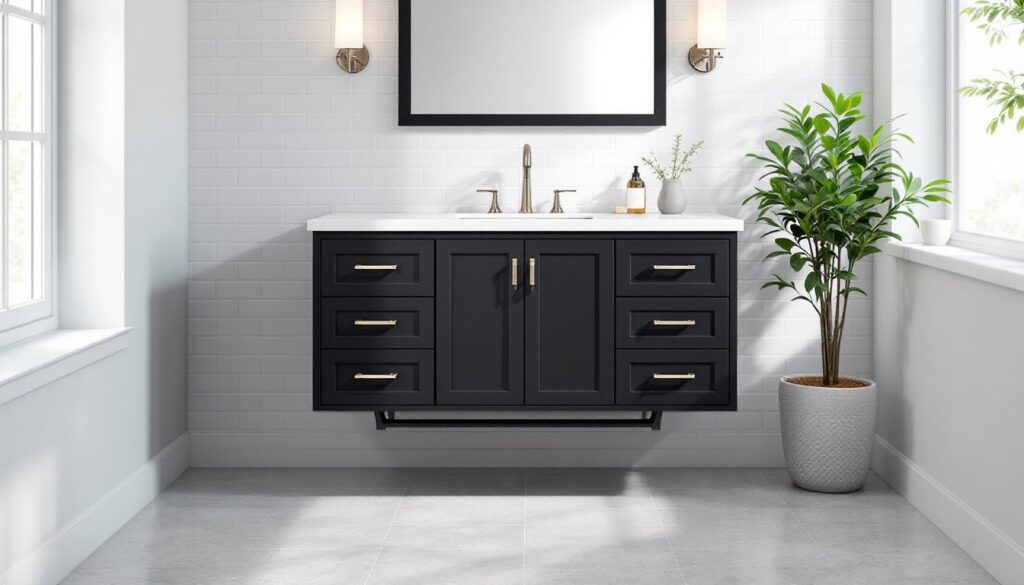
A single sink vanity is the anchor of most bathroom designs, it’s where daily routines happen, and it sets the visual tone for the entire space. Whether upgrading a cramped powder room, a modest master bath, or a rental that needs a quick refresh, choosing the right single sink vanity balances aesthetics with practicality. The right vanity maximizes storage, complements existing finishes, and doesn’t blow the budget. This guide covers the latest styles, materials, finishes, and hardware choices that work in 2026, plus real talk on what fits small spaces, different price points, and your DIY comfort level.
Key Takeaways
- A well-chosen bathroom vanity ideas single sink design balances aesthetics, storage, and practicality while anchoring the visual tone of your entire bathroom space.
- Contemporary and floating vanities with clean lines and wall-mounted options are ideal for maximizing small bathroom spaces and creating an illusion of openness.
- Countertop material selection matters: laminate offers budget-friendly durability, quartz provides premium non-porous performance, and marble requires regular sealing and maintenance.
- Mirror lighting with flanking sconces mounted 60 inches apart and 60–65 inches from the floor prevents unflattering shadows and is essential for grooming tasks.
- Mid-range single sink vanities ($600–$1,500) with solid wood cabinets and soft-close drawers offer the best balance between longevity and cost for permanent homes.
- Budget 10–15 years of lifespan for mid-range vanities and 20+ years for high-end options, with installation costs ranging from DIY-friendly to $300–$800 for professional help.
Modern Single Sink Vanity Styles That Maximize Small Bathroom Space
Contemporary & Minimalist Designs
Clean lines and understated hardware define contemporary vanities. These designs strip away ornament and focus on function, making them ideal for tight spaces. Look for vanities with flat-panel doors, integrated handles (finger pulls routed directly into the cabinet), and neutral finishes like matte black, white, or natural wood. A 36-inch wide single vanity fits snugly into most standard bathroom layouts without sacrificing counter space.
Minimalist vanities often feature a slim profile, typically 18 to 21 inches deep, which prevents them from jutting too far into the room. Open shelving below the sink is trending, but be honest: open storage requires daily discipline. Closed cabinetry hides clutter and keeps dust off supplies.
Wood-look vanities in gray or pale oak bring warmth without the bulk of thick trimwork. Pair them with a sleek single-handle faucet and recessed hardware for a cohesive, gallery-quality finish. These styles work equally well in modern farmhouse, Scandinavian, or industrial bathrooms.
Floating Vanities & Wall-Mounted Options
Floating vanities mount directly to wall studs, creating visual lightness and making floor cleanup effortless. They’re especially smart in small bathrooms because the open space below makes the room feel larger. Most floating vanities range from 24 to 48 inches wide and sit 12 to 18 inches off the floor, standard height is 34 inches from floor to countertop.
Before installing, locate studs in your wall using a stud finder. Floating vanities require heavy-duty mounting brackets, typically rated for at least 150 pounds per side. Anchor bolts into studs, never drywall alone. If your plumbing is in the way, you may need to reroute supply lines or drain, this is permit territory if the drain line moves. Get a plumber’s input before cutting into walls.
Wall-hung vanities expose plumbing underneath, so run supply lines and drains through the wall studs or in a finished soffit above. Chrome, brushed nickel, or matte black pipes can become part of the design if you style them intentionally. Otherwise, conceal rough lines behind a simple wall cabinet or access panel.
Storage Solutions & Countertop Materials for Single Sink Setups
Single sink vanities concentrate storage in one spot, so choose wisely. Standard cabinetry includes a single drawer (useful for grooming tools) and a cabinet below the sink (plumbing takes up space: drawer organizers or pull-out baskets maximize what’s left). Some models add a second shallow drawer above the main cabinet, perfect for makeup, toothbrushes, and hair clips.
Countertop material affects both durability and upkeep. Laminate (melamine or high-pressure plastic veneer) is budget-friendly, water-resistant when properly sealed, and available in hundreds of finishes. It’s prone to edge chipping and won’t tolerate prolonged heat. Solid surface (Corian-style acrylic) is seamless, repairable, and warm to the touch but costs 2-3× laminate. Quartz engineered stone is durable, non-porous, requires minimal maintenance, and resists stains, the premium choice. Marble and granite are beautiful but porous: they need sealing and can stain from water spots and acidic cleaners.
For a single sink, you need at least 24 inches of clear countertop on each side (building code suggests 30 inches on one side in commercial settings, but residential bathrooms are more flexible). Avoid counters that are too narrow: you’ll have nowhere to set toiletries while using the sink. Vessel sinks look modern but demand taller faucets and can splash, undercounter or drop-in sinks are more practical for everyday use.
Color & Finish Trends: Creating a Cohesive Bathroom Look
White and soft gray vanities remain timeless, but bolder choices are gaining traction. Navy, deep forest green, and charcoal vanities pair well with white subway tile or terrazzo flooring. If committing to a bold color makes you nervous, save it for a secondary bathroom or powder room.
Natural wood finishes, white oak, walnut, and light pine, add organic warmth. They require proper sealing and humidity control (bathrooms are damp: unfinished wood swells). Pre-finished vanities with a polyurethane or lacquer topcoat reduce maintenance. Matte finishes hide water spots better than glossy, but they’re harder to wipe clean.
Finish continuity matters. If your vanity is matte black, consider matte black mirror frames and hardware for a pulled-together look. Mix finishes intentionally: matte black vanity + brushed brass hardware + white marble counter reads modern and intentional. Random mixing (matte vanity + shiny chrome hardware + antiqued mirror) looks confused.
Two-tone vanities, dark cabinets with a lighter countertop, or vice versa, are trending because they break up visual mass. A dark vanity base with a pale quartz or marble top feels both anchored and refined. Test finishes in your actual bathroom lighting before committing: fluorescent, LED, and natural light render colors differently.
Lighting & Hardware Choices That Elevate Your Vanity Design
Lighting around the vanity is non-negotiable, mirror lighting prevents shadows on your face during grooming. Sconces flanking the mirror are ideal: mount them 60 inches apart and 60 to 65 inches from the floor (center of the sconce). An overhead fixture supplements, but don’t rely on it alone, it creates unflattering downward shadows.
LED vanity bulbs are efficient and long-lasting. Choose warm white (2700K) or soft white (3000K) for bathrooms: these color temperatures feel inviting, not sterile. Dimmable fixtures add flexibility. If you’re replacing just the bulb, check if your fixture is damp-rated (essential in steamy bathrooms).
Hardware, drawer pulls, cabinet handles, and faucet style, deserves equal attention to the vanity base. Oversized pulls on a minimal vanity look awkward: choose proportional hardware. A 36-inch vanity pairs well with 2 to 3-inch pulls: adjust proportions for wider or narrower cabinets. Finishes matter: brushed nickel is forgiving (hides fingerprints), while polished chrome shows every smudge.
Single-handle faucets save space and look clean in contemporary baths. Widespread (three-hole) faucets are traditional but require drilling multiple holes in the counter or valve deck. Wall-mounted faucets clear the counter entirely but demand plumbing access in the wall. Vessel sink faucets are taller to accommodate the bowl: they look dramatic but complicate reach and cleaning.
Budget-Friendly vs. High-End Single Sink Vanity Options
Budget vanities ($200 to $600) are stock sizes (usually 24, 30, or 36 inches) with laminate tops, basic plywood cabinet boxes, and standard hardware. They’re fine for rental cosmetic updates or guest baths. Expect thinner cabinet walls, simpler hardware, and lower water resistance over time. Installation is DIY-friendly if plumbing doesn’t shift.
Mid-range vanities ($600 to $1,500) use solid wood or quality plywood cabinets, better counter materials (quartz, engineered stone), and softer-close drawers. These suit permanent homes and master baths: they’ll last 10-15 years with normal care. This tier includes floating options and custom-depth choices.
High-end vanities ($1,500+) feature solid hardwood, premium counters (marble, granite, or high-grade quartz), full-extension drawers with soft-close hinges, and integrated lighting. Many are semi-custom, allowing width and finish tweaks. They’re investment pieces, often lasting 20+ years.
Costs vary by region and material market. A quartz countertop in a high-cost area (California, Northeast) runs 30-40% more than in the Midwest. If budget is tight, prioritize a quality cabinet box and countertop: swap hardware later if needed. Generic chrome is easy to replace: a flimsy cabinet is not.
Don’t overlook installation. Stock vanities can be installed DIY if plumbing aligns: floating vanities need stud location and secure mounting (not a weekend affair if you’re uncomfortable with wall anchors). Contractors typically charge $300-$800 for removal, installation, and minor plumbing adjustments. Factor that into your budget decision.