
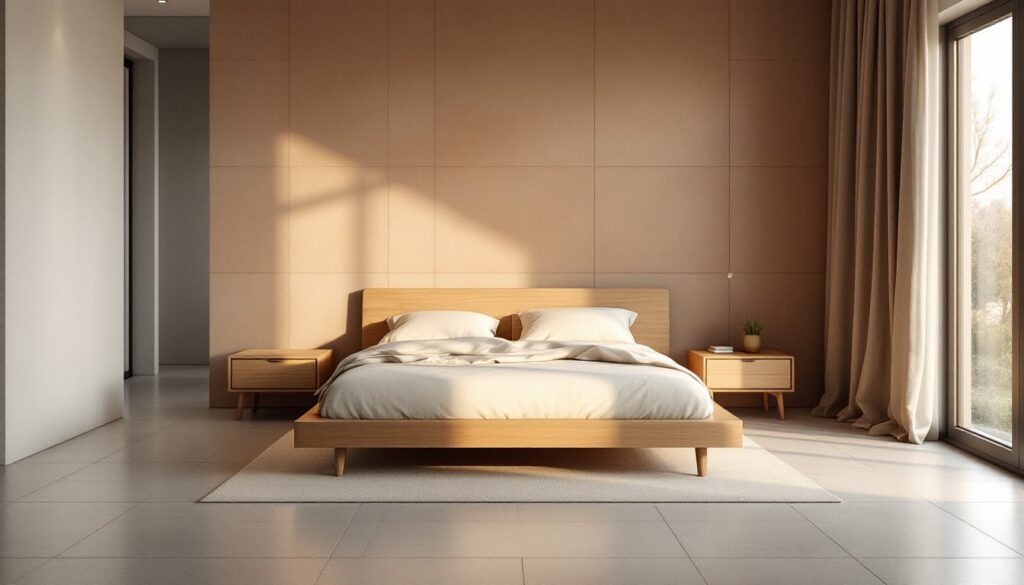
Tile isn’t just for bathrooms and kitchens anymore. When chosen thoughtfully, bedroom tile can anchor a room’s aesthetic, add visual interest, and deliver practical durability that other flooring materials struggle to match. Whether you’re updating a master bedroom, creating a boutique guest space, or redesigning a rental property, tile offers flexibility that satisfies both style-conscious and budget-conscious homeowners. The 2026 market is buzzing with fresh textures, oversized formats, and warm palettes that feel inviting underfoot. This guide walks you through current bedroom tile ideas, from minimalist designs to bold statement pieces, and explains how to choose and install options that fit your space, skill level, and lifestyle.
Key Takeaways
- Bedroom tile ideas offer durability and low-maintenance elegance, standing up to spills and allergens better than hardwood or carpet while staying cool underfoot.
- Large-format porcelain tiles in neutral tones like soft gray and warm taupe dominate modern 2026 bedroom tile designs, creating streamlined aesthetics with minimal grout lines.
- Warm, earthy tiles inspired by terracotta and natural stone textures provide cozy, inviting spaces and pair beautifully with natural wood elements in farmhouse and cottagecore styles.
- Bold patterned or dark-colored accent tiles on feature walls or headboard surrounds create sophisticated focal points when kept restrained in surrounding décor.
- Successful bedroom tile projects require careful planning, proper substrate preparation, and professional installation for flooring—or test peel-and-stick alternatives for low-risk experimentation.
Why Tile Is the Perfect Bedroom Feature
Tile brings durability and easy maintenance to a room where you spend a third of your life. Unlike hardwood, which can warp in humid climates, or carpet, which traps dust and allergens, tile stands up to spills, cleans in seconds, and stays cool on bare feet, a feature many people crave during summer months.
From a design perspective, tile offers visual weight without heaviness. A well-chosen tile pattern, color, or texture becomes an anchor for your bedroom’s decor. Think of it as a permanent wallpaper that won’t fade or peel. It also pairs beautifully with textiles, rugs, bedding, curtains, so you can layer softness and warmth on top of a cool, solid foundation.
Tile does require upfront planning. You’ll need to measure carefully, consider grout lines and layout, and decide whether to hire a professional installer or tackle it yourself. Most bedroom tile projects, especially on walls, benefit from professional installation to ensure even spacing, proper slope for drainage (if near a wet area), and long-term durability. But, if you’re confident in your skills, peel-and-stick tiles or large-format porcelain planks can work for DIY efforts.
Modern Tile Styles for Contemporary Bedrooms
Modern bedroom design leans toward simplicity, functionality, and understated elegance. Tile choices that support this aesthetic tend to be neutral, unfussy, and often feature clean geometry or subtle texture. Large-format tiles, think 12″ × 24″ or 24″ × 48″ porcelain planks, are a hallmark of contemporary design because they minimize grout lines and create a streamlined look. Matte finishes are more popular than high-gloss in modern bedrooms: they’re less reflective, which feels calmer and more intimate.
Gray remains a workhorse color in modern interiors. Soft grays, warm grays, and greige (gray-beige blends) work as both flooring and accent walls without screaming for attention. Light whites and off-whites pair well with natural wood tones, creating Scandinavian-inspired bedrooms that feel airy but grounded.
If you want subtle pattern without clashing, consider tile with a fine linear texture or a loose brushed finish. These catch light differently across the room and add dimension without the visual noise of bold geometric prints.
Minimalist and Clean-Line Designs
Minimalism in tile means restraint. A single tile color, a consistent grout joint size, and a straightforward layout speak louder than a busy mix of patterns. Larger tiles equal fewer grout lines, which reinforces the clean, uncluttered aesthetic minimalism demands.
Consider a bedroom with floor-to-ceiling white or cream porcelain tiles in a matte finish, with light gray grout. The effect is almost monochromatic, peaceful and expansive. Alternatively, a long, narrow bedroom can feel wider and more balanced with large-format tiles laid in a staggered (running bond) pattern rather than a grid. This simple tweak guides the eye horizontally and makes the space feel more intentional.
For accent walls, a single, solid tile color, perhaps a warm off-white or soft taupe, can highlight a headboard zone without overwhelming the room. The key is letting the tile’s surface texture (not color variation or pattern) do the talking.
Warm and Cozy Tile Options
Bedrooms should feel welcoming. While cool grays and whites read as modern and clean, warmer tones, terracotta, cream, soft ochre, and warm taupe, invite you to slow down and relax.
Earthy Tones and Natural Textures
Earth-toned tiles, inspired by clay, stone, and natural materials, are surging in 2026. These include warm terracotta (true clay-look tiles), soft golden-beige porcelain, and muted rust or burnt sienna accents. Natural stone looks, porcelain tiles that mimic limestone, travertine, or slate, bring texture and warmth without the maintenance burden of real stone. Real limestone and travertine are porous, stain easily, and require sealing: porcelain tiles give you the aesthetic with easier care.
Many designers are layering warm tile flooring with natural wood elements, a wood platform bed frame, wooden nightstands, or wooden ceiling beams. This combination feels organic and grounded, especially in farmhouse, rustic, or cottagecore-inspired bedrooms.
Textured tiles, those with a slightly uneven or hand-finished surface, add visual interest without bold pattern. A textured terracotta or warm beige porcelain tile with matte finish will diffuse light softly and feel less cold underfoot than polished stone. If you’re concerned about roughness or slipping, check the slip-resistance rating (PEI rating): most bedroom tiles should be rated PEI 2–3 for safety.
Warm grout colors, light gray, warm tan, or even a near-match to the tile itself, tie the scheme together. Lighter grout keeps things open and airy, while darker grout (charcoal or taupe) adds definition and visual breaks, useful if you want to highlight the tile’s geometry.
Bold Statement Tiles for Accent Walls
Not every bedroom needs understated tile. If you’re drawn to pattern, color, or visual drama, an accent wall or a focused feature, like a headboard surround, is the place to be bold.
Patterned tiles, like Moroccan-inspired zellige, encaustic tiles with geometric or botanical motifs, or contemporary digital-print tiles, work beautifully as a focal point. The trick is to keep the rest of the room restrained so the tile shines without chaos. Pair patterned tiles with neutral bedding, soft lighting, and minimal wall color to let the tile be the hero.
Dark tiles, charcoal, navy, forest green, or even deep burgundy, are having a moment for accent walls and feature headboards. A bedroom with neutral walls and a dark tile feature wall reads as sophisticated and intimate. Dark tile reflects less light, so ensure adequate lighting (bedside lamps, wall sconces, or recessed lights) so the space doesn’t feel dungeon-like.
Large-format tiles in bold, solid colors (emerald, deep teal, soft sage) work for contemporary accent walls. These don’t require pattern: the color alone creates impact. Matte finishes feel residential and warm: glossy tiles read more showroom and less bedroom, so stick with matte.
If you’re uncertain about committing to bold tile, peel-and-stick tile or removable tile decals let you test the concept before permanent installation. These aren’t as durable for high-traffic areas or wet zones, but for a feature wall or headboard, they’re low-risk and reversible.
Practical Applications: Where to Use Tiles in Your Bedroom
Bedroom tile isn’t one-size-fits-all. Where and how you install it shapes its role and the project’s difficulty.
Flooring is the most common application. Full bedroom tile flooring requires careful layout planning (start from the center of the room to minimize slivers at edges), proper substrate prep, and skilled troweling to keep grout joints consistent. If you’re not confident, hire a professional: uneven substrate or poor grout joints will haunt you for years. For a DIY approach, peel-and-stick vinyl tile or large-format porcelain planks designed for floating installation are more forgiving than traditional thin-set mortar and grout methods.
Feature walls or headboard surrounds are excellent starter projects or focal points. A 4′ × 8′ tile panel behind a bed makes a statement without tiling the entire room. Measure the headboard area, plan grout lines, and install with thin-set mortar and grout. This is achievable for a motivated DIYer, though professional installation ensures lasting quality.
Accent bands or trim (a horizontal band of patterned or contrasting tile along one wall) add visual interest without overwhelming. This technique works well in smaller bedrooms where a full feature wall might feel cramped.
Flooring with specific zones: Some homeowners tile just the sleeping area (under and around the bed) or a seating nook, leaving the rest of the bedroom in hardwood or carpet. This creates warm, defined zones and is easier to execute than full-room tile.
Before committing, check local building codes. Most jurisdictions don’t require permits for bedroom tile projects (unlike bathrooms or kitchens with water exposure), but it’s worth confirming. Material acclimation, letting tile, grout, and adhesive sit in your bedroom for 24 hours before installation, ensures they’re at room temperature and won’t crack from thermal shock.
Tools you’ll likely need: a wet saw for cutting, a notched trowel (size depends on tile format, larger tiles need larger notches), a grout float, spacers, and a tape measure. If you’re uncertain about the project scope or skill level, calling a professional tile installer for a consultation costs little and saves stress and costly mistakes.
Getting Started with Your Bedroom Tile Project
Modern bedroom tile offers endless possibilities, from serene minimalist whites to warm terracottas to bold, patterned statements. The best choice aligns with your home’s overall aesthetic, your comfort with DIY installation, and your lifestyle. Start by gathering inspiration (Pinterest, design magazines, showroom visits), measure your space carefully, and be honest about whether you’re tackling this solo or bringing in a professional. Tile is an investment, but chosen thoughtfully and installed well, it becomes a durable, beautiful feature that pays dividends for decades.