
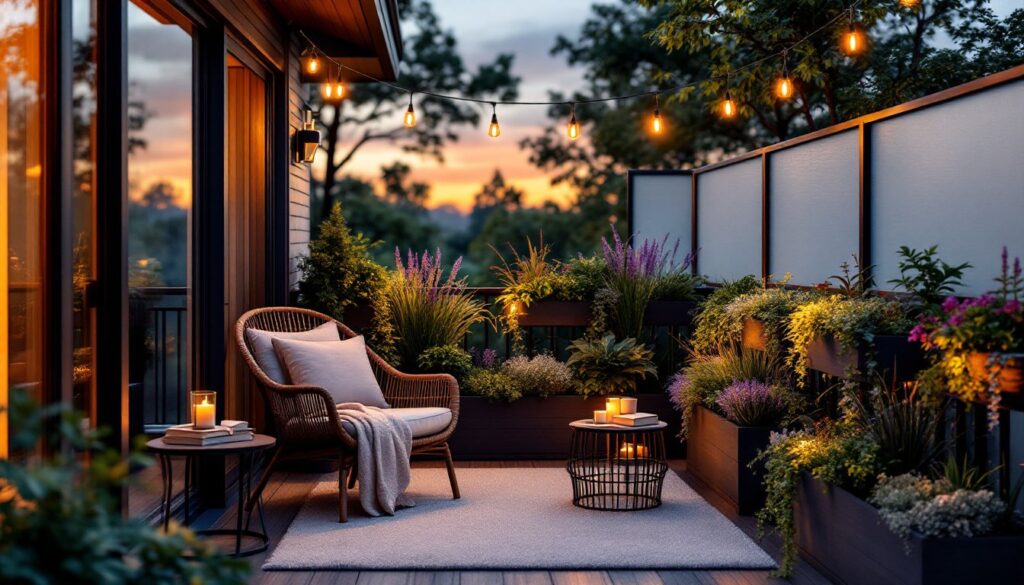
A bedroom balcony often sits empty, a wasted extension of valuable living space. But with thoughtful design, that overlooked outdoor area can become a personal retreat where you read your morning coffee, unwind after work, or drift to sleep under the stars. Whether the space is a modest apartment balcony or a spacious bedroom deck, smart furniture choices, greenery, lighting, and functional features transform it from neglected square footage into an outdoor room. This guide covers seven practical bedroom balcony ideas that balance aesthetics with function, helping you create an outdoor sanctuary without overcomplicating the process or blowing the budget.
Key Takeaways
- Bedroom balcony ideas thrive with honest space measurement and weather-resistant furniture scaled to fit apartment dimensions, typically 5×8 to 10×12 feet.
- Plants transform a balcony into an inviting garden oasis by matching sun exposure and using tiered, varying heights—group containers in odd numbers for visual balance.
- Solar or battery-powered lighting solves the lack of built-in outlets while warm white (2700K) creates a more inviting ambiance than cool tones.
- Strategic privacy screens using fabric, trellises, or climbing vines maintain views and airflow while blocking sightlines from neighbors.
- Solution-dyed polypropylene and Sunbrella fabrics protect outdoor textiles from UV fade and mildew, making them ideal for cushions and rugs.
- Small bedroom balcony spaces maximize utility with vertical solutions like wall-mounted shelves, hanging baskets, and compact folding furniture instead of floor-consuming pieces.
Create a Cozy Outdoor Lounge Area
The foundation of any bedroom balcony retreat is comfortable seating. Start by measuring your space honestly, most apartment balconies are 5 feet by 8 feet to 10 feet by 12 feet, so oversized furniture won’t fit. A weather-resistant lounge chair or low-profile daybed works better than bulky sectionals in tight quarters.
Choose pieces rated for outdoor use: look for aluminum frames, acacia wood, or resin wicker rather than untreated wood or fabric that absorbs moisture. A single lounge chair plus a small side table (20–24 inches wide) leaves room to move. If space allows, add a second chair and a low table between them for drinks or a book.
For comfort, invest in outdoor cushions at least 4 inches thick with a water-resistant core. Position furniture to face a view or the sunset if possible, that’s what makes the space feel special, not just functional. Consider an outdoor rug (typically 5 by 8 feet) to define the seating zone and add warmth underfoot. Make sure the balcony can structurally handle the load: most residential balconies support 40 pounds per square foot, so calculate your furniture and occupant weight before committing.
Design a Bedroom Balcony Garden Oasis
Plants transform a balcony from sparse to inviting. Start by checking your balcony’s sun exposure: a south or west-facing aspect gets 6+ hours of direct sun: north or east-facing gets dappled or morning light. Choose plants that match your light, wind exposure, and local climate zone.
For sunny balconies, ornamental grasses, sedums, and lavender thrive in containers. Shade lovers include hostas, ferns, and heuchera. Use raised planter boxes or large containers (15–20 gallons minimum for year-round plants) rather than small pots that dry out fast. Composite or metal planters retain moisture better than terracotta in windy spots.
Arrange plants at varying heights using tiered plant stands or hanging baskets to maximize greenery without crowding the floor. Group odd numbers of containers (three, five, seven) for visual balance. A drip irrigation system or self-watering reservoir cuts maintenance and prevents drought stress when you’re away. Avoid heavy soil-filled planters if your balcony’s load rating is low: use lightweight potting mix instead of garden soil, which can weigh twice as much when wet.
Install Smart Lighting for Ambiance and Function
Most balconies lack built-in electrical outlets, so solar and battery-powered lighting is the practical first step. Solar string lights or pathway lights are affordable and require zero wiring. Warm white (2700K color temperature) feels more inviting than cool white.
If your building allows hardwired fixtures, an electrician can run a weatherproof outlet or mount recessed deck lights (also called rail lights or post lights) along the balcony railing or frame. These are typically 12V systems that create a safe, layered glow without harsh shadows. Install them 18–24 inches above walking surfaces to avoid tripping hazards.
For renters or a non-permanent solution, battery-powered LED wall sconces or uplights clipped to planters add depth without drilling into masonry or railings. Dimmers let you adjust brightness for morning coffee versus evening relaxation. Ensure any lights are rated for wet locations (marked “wet” or “damp” on the packaging), and keep electrical cords away from high-traffic areas. Check local codes: some jurisdictions require permits for balcony electrical work to meet NEC (National Electrical Code) safety standards.
Add Privacy Features Without Sacrificing Views
Privacy screens balance seclusion with keeping the space from feeling claustrophobic. A fabric privacy screen or trellis (4–6 feet tall) placed on one side breaks sightlines without blocking air flow or views of sky and trees. Climbing vines (clematis, jasmine) or living walls create privacy while adding greenery.
Bamboo screening panels are lightweight and weather-resistant: they come in rolls or as modular panels (typically 3–6 feet wide). Motorized roll-down shades rated for outdoor use work if your balcony is covered or semi-protected. Avoid fully enclosing the space unless your lease and local code allow it, many residential buildings prohibit structures that extend the exterior envelope.
Position privacy features strategically: if neighbors overlook you from one direction, screen only that angle. Transparent or semi-transparent barriers (frosted acrylic, polycarbonate panels) give privacy without darkening the space. Check your lease and HOA rules before installing anything permanent: many buildings restrict balcony modifications without approval.
Incorporate Weather-Resistant Textiles and Rugs
Outdoor fabrics and rugs define comfort on a balcony. Look for solution-dyed polypropylene or Sunbrella®-type acrylic fabrics, which resist UV fade and mildew better than untreated cotton or canvas. These materials can handle rain, sun, and humidity without rotting or losing color over two to three years.
Choose a weather-resistant outdoor rug (typically made from polypropylene or nylon) to anchor the seating area and define the space. A 5 by 8 foot rug is standard for a small balcony. Reversible rugs are practical, flip them when one side wears or stains. Secure the rug with non-skid outdoor rug pads to prevent slipping.
Add throw pillows in weatherproof covers for color and comfort: they’re easily swapped out seasonally. A lightweight outdoor blanket or throw draped over your chair extends the season into cool mornings and evenings. Machine-washable covers on pillows and cushions cut maintenance. In winter or off-season, store fabric items indoors to extend their lifespan. Remove rugs and cushions if snow or ice accumulates, the weight can damage the structure.
Maximize Small Balcony Spaces With Vertical Solutions
Tiny balconies demand vertical thinking. Wall-mounted floating shelves (rated for outdoor use and stainless steel or coated aluminum) hold plants, books, or décor without consuming floor space. A vertical garden or living wall planter (typically 2 feet wide by 4 feet tall) fits against a wall and holds a dozen plants in a footprint the size of a chair.
Over-the-railing planters or hanging baskets maximize greenery on a postage-stamp balcony without taking up seating room. Ensure they’re securely anchored so wind doesn’t topple them onto neighbors below. A corner shelf unit fits into unused angles and holds a plant, candle, or folded blanket.
Choose lightweight furniture: a nesting side table collapses when not in use, or a folding bistro chair stores upright against the wall. Neutral colors (grays, taupes, whites) make small spaces feel less cramped than bold patterns. A single strategically-placed mirror or reflective surface bounces light and creates the illusion of depth. Avoid cluttering shelves and tables, every item should earn its place.
Conclusion
A well-designed bedroom balcony becomes an extension of your bedroom retreat, offering fresh air, natural light, and a quiet place to decompress. Layer in comfortable seating, plants, smart lighting, and practical privacy or shade without over-complicating the space. Start with one or two elements, a lounge chair and potted plants, then build from there based on your budget and use. The goal isn’t perfection: it’s creating a functional outdoor room that feels like an intentional part of your home, not an afterthought.