
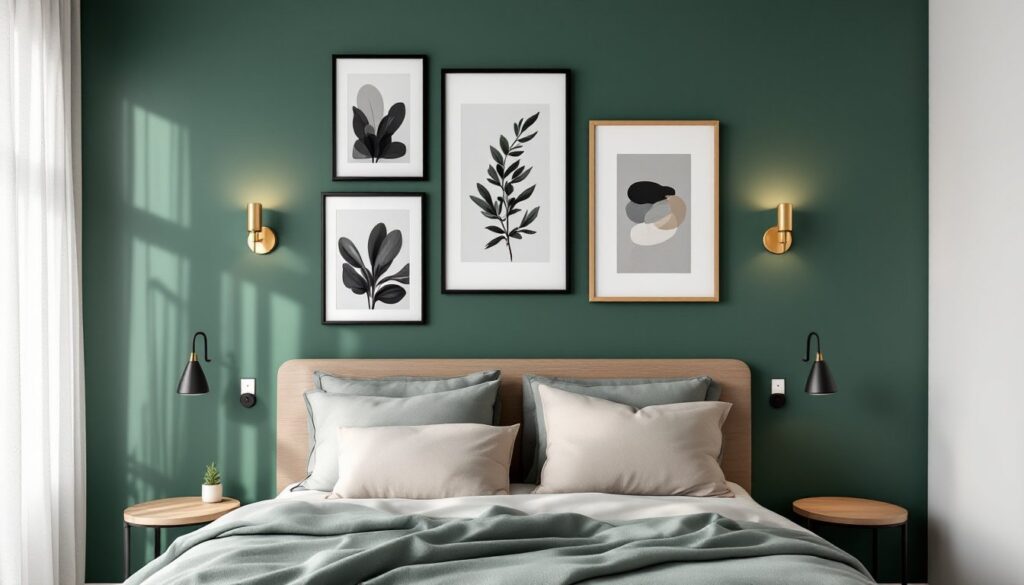
The wall space above a bed is prime real estate, it’s the first thing you see when waking and the last thing at night. Yet many bedrooms leave this area blank or rely on a single, uninspired print. A well-designed above-bed wall doesn’t require expensive renovations or professional help: thoughtful decor choices turn that empty canvas into a focal point that reflects personality and improves the entire room’s vibe. Whether someone prefers minimalist elegance, gallery-style layering, or ambient lighting, there are practical, budget-friendly options that work with any bedroom style. This guide covers seven proven above-bed wall decor ideas that deliver impact without structural complexity or major time investment.
Key Takeaways
- Above bed wall decor ideas like gallery walls, tapestries, and accent paint transform a blank space into the bedroom’s focal point without requiring expensive renovations.
- Gallery walls work best with 5-7 frames spaced 12-18 inches apart on a 60-inch bed, using consistent artwork themes and proper leveling for a polished look.
- Tapestries and floating shelves require secure mounting hardware rated for 20+ pounds; prioritize safety by locating studs and using appropriate anchors for your wall type.
- Wall-mounted lighting fixtures like sconces and pendants combine function with style, with warm white (2700K) LED bulbs creating a relaxing bedroom atmosphere.
- Large mirrors and reflective surfaces bounce natural light to visually expand rooms while requiring heavy-duty mounting with safety cables as backups.
- Start with one statement piece and layer in additional above bed wall decor elements as your design evolves, emphasizing preparation and secure installation over rushing the project.
Gallery Walls and Floating Frames
A gallery wall above the bed combines multiple framed pieces, prints, photographs, or mixed media, in an intentional arrangement. The key difference between a polished gallery wall and a cluttered mess is planning.
Start by laying out frames on the floor in the desired configuration before hanging anything. A common mistake is spacing frames randomly: most designers space them 12 to 18 inches apart, depending on frame size and room proportions. For a bed that’s roughly 60 inches wide, five to seven frames typically work better than two or three.
Floating frames, those with mat board that creates breathing room around artwork, work especially well above beds because they’re visually lighter than traditional frames and less likely to overwhelm the space. Gallery frames (thin metal or wood frames with minimal depth) also suit this application because they mount flush to the wall.
When choosing artwork, stick to a cohesive theme. Black-and-white photography, botanical prints, or abstract artwork in complementary colors creates unity. Mismatched frame colors (black, natural wood, or white) work if the art inside shares a color palette.
Hanging a gallery wall requires patience. Use painter’s tape to mark frame positions, then use a stud finder to locate wall studs where possible. For drywall without studs, picture-hanging hooks rated for the total weight work fine, most modern hooks hold 15 to 25 pounds. Level each frame individually: don’t assume the wall is plumb.
One pro tip: if frames are lightweight, arrange them in a symmetrical grid or salon-style pattern. Asymmetrical layouts require more visual balance, they’re harder to pull off in smaller spaces.
Tapestries and Fabric Wall Hangings
A single large tapestry or fabric hanging above the bed creates instant visual interest with minimal effort. Tapestries range from bohemian woven designs to modern printed fabrics, and they soften the bedroom while adding texture that framed art can’t.
Macramé wall hangings have resurged in popularity: these knotted fiber pieces add warmth and tactile appeal. Similarly, woven wall tapestries (cotton, jute, or wool blends) bring earthy texture and work in minimalist or eclectic schemes.
Mounting a tapestry requires either a tapestry rod, a simple wooden or metal rod that slides through a pocket sewn at the top, or a curtain rod with clips. Rods typically range from 24 to 48 inches in width: measure the bed width and choose a rod that spans 70 to 100 percent of it. A rod that’s too narrow looks skimpy: one that extends to the nightstands looks intentional.
Mounting hardware depends on wall type. For drywall, toggle bolts or heavy-duty drywall anchors rated for 20+ pounds work well. For plaster, use toggle bolts specifically designed for plaster: regular drywall anchors fail. If a wall has studs, lag bolts or screws directly into studs provide the strongest hold.
Hang the rod 18 to 24 inches above the headboard (or mattress, if there’s no headboard) so the tapestry drapes naturally without touching. Tapestries that pool slightly on the bedding are acceptable in relaxed designs, but excess fabric creates a sloppy look.
Care matters: most cotton and synthetic tapestries tolerate hand washing in cool water. Check the label: some dyed fabrics bleed. Dry flat or hang to air-dry to prevent stretching.
Shelving and Floating Ledges
Floating shelves above a bed serve dual purposes: display and storage. They work best in rooms with good ceiling height (at least 8 feet) so they don’t crowd the space visually.
Floating shelves, cantilevered supports mounted directly into studs or wall anchors, hold decorative items, books, plants, or small sculptures. A typical floating shelf extends 8 to 12 inches from the wall: anything deeper looks top-heavy. Common widths are 24, 30, or 36 inches.
Installation is straightforward but non-negotiable in execution. Shelves must be level, or items will slide. Use a laser level or spirit level before drilling. Locate studs with a stud finder: mounting into studs is far stronger than relying on wall anchors alone. Shelves holding books or heavy decor need 16-inch stud spacing and lag bolts or heavy-duty brackets rated for 50+ pounds per shelf.
For drywall-only mounting (no studs), heavy-duty toggle bolts or expanding anchors are essential. Many DIYers make the mistake of using lightweight picture hangers for shelves: they fail. Never skimp on mounting hardware, a shelf full of items crashing down creates property damage and safety hazards.
Styling floating shelves requires restraint. Overcrowding them with trinkets looks chaotic. Instead, use the “rule of threes”: group items in odd numbers, mix heights, and leave negative space. A tall vase, a stack of hardcover books, and a potted plant creates visual interest without clutter.
Maintain 12 to 18 inches between shelf and ceiling, and 18 to 24 inches between stacked shelves, so items don’t touch and air circulates for cleaning.
Accent Wall Treatments
An accent wall, a wall painted in bold color or finished with wallpaper, draws the eye and defines the bedroom’s personality. The wall above the bed is the ideal choice because it’s the visual anchor.
Paint is the simplest option. Deep jewel tones (emerald, sapphire, or plum) create drama: warm neutrals (terracotta, taupe, or warm gray) feel cozy. Benjamin Moore, Sherwin-Williams, and Behr offer extensive color palettes. Buy a pint-sized sample first, paint a 2-foot test section, and observe it at different times of day, lighting matters enormously.
Paint prep is non-negotiable. Fill nail holes, sand any imperfections, and apply primer (especially for dark colors or previously glossy walls). Two coats of quality paint are better than three coats of cheap paint. Expect one gallon to cover roughly 350 square feet: a single wall above a bed usually requires a quart or less.
Wallpaper offers pattern and texture without the commitment of paint. Removable peel-and-stick wallpapers work in rentals: traditional wallpapers require paste and are more permanent. Geometric patterns, damasks, or botanical prints suit above-bed spaces. Measure wall height and width precisely: wallpaper seams should fall where they’re least noticeable (usually at corners or behind the headboard).
Wallpaper installation is doable but tedious. Prep the wall with primer-sealer to help adhesive grip evenly. Many DIYers hire professionals: the cost (typically $300 to $600 depending on wall size and pattern complexity) is justified by avoiding bubbles, misalignment, or shrinkage.
A hybrid approach: paint the wall, then add a wallpaper border or fabric wall panels in contrasting color. This requires less wall prep and is easier to remove later.
Wall-Mounted Lighting Fixtures
Wall sconces flanking the bed (or a single pendant hung above it) combine function and style. Lighting transforms the above-bed wall from purely decorative to genuinely useful.
Wall sconces with adjustable shades let someone read in bed without disturbing a partner. Pendant lights hung at varying heights create layered ambient lighting. Both require electrical work, but it’s achievable for handy DIYers who follow safety protocols.
Electrical safety is paramount. If no outlet exists above the bed, the job involves running wiring through walls, potentially routing around studs, outlets, or existing wiring. This step may require a licensed electrician, depending on local codes and complexity. Check local building codes (usually found through the municipality’s building department) before starting.
For those confident with electrical basics: turn off power at the breaker, use a non-contact voltage tester to confirm power is off, and route wiring through walls using a fish tape if needed. Secure wire with staples every 16 inches. Never run wiring across a stud without conduit: exposed wire is a fire and safety hazard.
Pendants work best at 18 to 24 inches above the headboard, centered over the bed. Wall sconces are typically mounted at eye level when sitting upright in bed (roughly 48 to 54 inches from the floor). Two matching sconces create symmetry: single pendants or mismatched fixtures suit eclectic styles.
Bulb choice matters: warm white (2700K) LED bulbs create a relaxing atmosphere, while daylight (5000K) bulbs mimic daylight. LEDs run cooler and last 25,000+ hours, well worth the upfront cost.
If rewiring feels risky, battery-powered LED wall sconces or spotlights offer a cord-free alternative with surprising quality.
Mirrors and Reflective Surfaces
A large mirror or group of smaller mirrors above the bed bounces light and visually expands the room. Mirrors serve dual functions: decoration and practical light reflection.
Large statement mirrors (3 to 5 feet tall) in ornate wooden frames, sleek metal frames, or simple black aluminum work depending on bedroom style. Round mirrors soften hard lines: rectangular mirrors add geometric structure. Multiple smaller mirrors arranged in a grid or asymmetrical pattern also work.
Hanging a mirror requires secure mounting because mirrors are heavy and fragile. A 36-inch mirror typically weighs 30 to 50 pounds. Locate studs with a stud finder and use lag bolts or heavy-duty D-rings rated for the weight. For drywall-only mounting, toggle bolts or heavy-duty anchors rated for 50+ pounds minimum are essential.
Position mirrors so they reflect natural light (from windows) into the room, brightening the space. Avoid directly opposite a window if glare is an issue. Leave at least 12 inches of clearance above the mirror to the ceiling for visual balance and cleaning access.
Mirror safety: secure the mirror with two mounting points (never one), use a safety cable as backup, and check mounting hardware quarterly. In earthquakes or bumps, a properly installed mirror stays put: a poorly installed one becomes a hazard.
Reflective surfaces beyond mirrors, like metallic wall art or iridescent tiles, also bounce light. These are lighter and simpler to hang than mirrors, making them good alternatives for renters or those uncomfortable with heavy mounting.
Conclusion
The wall above a bed transforms from an afterthought into a bedroom’s visual anchor with thoughtful decor. Gallery walls require planning but yield professional results: tapestries add softness and texture: shelves combine storage with style. Paint or wallpaper create drama: wall sconces merge function with ambiance: mirrors brighten and expand perceived space. Most projects need only basic tools, careful measurement, and proper mounting hardware. Start small, perhaps a single statement piece or a fresh coat of paint, then layer in additional elements as the design evolves. The key is honest preparation and secure installation: that’s what separates polished bedrooms from those that feel half-finished.