
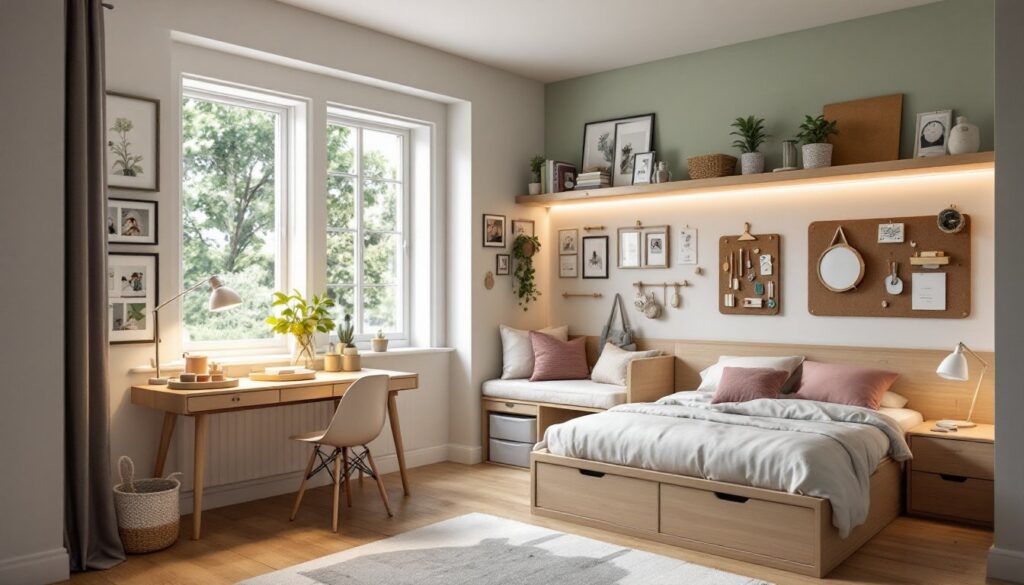
Designing a bedroom for a 9-year-old girl means striking a balance between fun, functionality, and timelessness. At this age, she’s developing her own tastes and preferences, but she’s still years away from a full teen aesthetic. A well-designed bedroom becomes her personal retreat, a place for assignments, hobbies, sleep, and growth. The key is choosing elements that work now while staying flexible enough to evolve as her interests change. This guide walks through practical design strategies, from color choices to storage, that transform a bedroom into a space she’ll actually love using.
Key Takeaways
- Choose neutral base colors like soft gray or warm taupe for 9 year old girl bedroom ideas, then add personality through removable accents like bedding, wallpaper, and artwork that can evolve as her tastes change.
- Invest in mid-scale furniture with storage—a full or twin XL bed with drawers, a 24- to 30-inch desk, and floating shelves—to balance functionality without overwhelming the space.
- Create a dedicated reading and study nook with natural light, soft task lighting (400–500 lumens), and organized storage to boost focus and independence.
- Use vertical storage solutions like tall shelving, pegboards, and wall-mounted organizers with clear labels to keep the room organized and teach responsibility.
- Layer lighting with overhead fixtures, desk lamps, and ambient accent lights set to cool white (4000K) for study and warm white (2700K) for relaxation.
- Personalize the space with removable wall decor like gallery walls, cork boards, and dry-erase calendars so she maintains ownership as her interests evolve.
Color Palettes That Grow With Her
The right color palette sets the tone for the entire room and can adapt as her tastes shift. Avoid overly trendy neons or character-themed colors that feel babyish in a year or two. Instead, consider warm neutrals like soft gray, warm taupe, or soft white as a base wall color. These provide flexibility and let accent colors, applied through bedding, wall art, or an accent wall, do the heavy lifting.
Popular choices for this age group include soft sage green, dusty rose, periwinkle, or warm cream. These colors feel mature enough for a pre-teen but still playful. If she has a favorite color, use it strategically: paint one accent wall, choose bedding in that shade, or add it through removable wallpaper. This approach lets her feel heard without boxing in the entire design.
Matt or eggshell finish paint works better than glossy for kids’ rooms, it’s easier to touch up and hides fingerprints better. Plan for two coats and account for primer if making a significant color change. Most interior latex paint covers about 350–400 square feet per gallon, so measure wall area before buying.
Furniture That Balances Style and Functionality
At 9, she’s probably outgrown small-scale furniture, but full-size adult pieces might overwhelm the space. Mid-scale options work best, a full or twin XL bed gives her comfort without dominating the room. Look for bed frames with built-in drawers underneath: they add storage without taking up extra footprint.
Choose one or two quality anchor pieces and fill in with smaller, moveable items. A sturdy desk is essential for assignments and creative projects. A 24- to 30-inch wide desk provides enough surface without requiring tons of floor space. Pair it with a comfortable chair that supports good posture during study sessions. A small dresser, floating shelves, and a bookcase handle the rest.
Wood furniture with simple lines tends to age better than heavily styled pieces. Solid wood or quality plywood construction lasts through growth spurts and rearrangements. Avoid furniture with sharp corners at head height, use corner guards if needed. Leave at least 18 inches of clear floor space around the perimeter for safety and to make the room feel less cramped.
Creating a Reading and Study Nook
A dedicated reading or study corner gives her a quiet spot away from distractions. This doesn’t require a whole separate room, a corner with the desk, a bean bag chair, or a cushioned window seat works well. Position the desk near a window when possible for natural light during assignments time.
Add soft lighting with a clip-on desk lamp or adjustable pendant light to reduce eye strain. A small bookcase nearby keeps her favorites within arm’s reach. If she loves reading more than studying, a cozy floor cushion or low upholstered bench creates an inviting reading spot without taking up much space.
Keep the nook organized with desk organizers, a small filing tray for school papers, and a bulletin board for reminders or inspiration. This focused area encourages independent study and gives her ownership of her learning space. Even 4 square feet of dedicated quiet space makes a difference in her focus and mood.
Wall Decor and Personalization Ideas
This is where her personality really shines. Avoid permanent wall stickers or murals that feel babyish in two years. Instead, use removable options: peel-and-stick wallpaper on one accent wall, removable fabric wall hangings, or a pegboard she can customize.
Display her interests through a gallery wall of framed prints, photos, or artwork she’s created. Use command strips or picture hangers rated for the weight, they avoid nail holes and are renter-friendly if you’re in a temporary space. Mix frame styles and sizes for visual interest. She can swap out prints as her tastes evolve without redoing the entire wall.
Consider a cork board or fabric bulletin board where she can pin photos, drawings, and accomplishments. A dry-erase calendar helps with assignments deadlines and activities. These additions feel mature and practical while still giving her space to express herself. Let her choose the colors and arrangement, ownership makes the space feel truly hers.
Storage Solutions That Actually Work
Smart storage prevents the “explosion” look that happens when a 9-year-old outgrows baby bins. Vertical storage is your friend, tall shelving, pegboards, and wall-mounted organizers pull items off the floor without taking floor space. Label everything clearly so she knows where things belong and can actually put them away.
Under-bed storage containers work for off-season clothing, extra bedding, or items she doesn’t use daily. Use clear plastic bins so she can see what’s inside without opening them. A closet rod divider keeps hangers organized. A hanging organizer on the back of the door maximizes vertical space for shoes, accessories, or small items.
Bin style matters, baskets look nicer than plastic tubs on open shelving, and they’re easier for a kid to grab. Aim for a mix of open and closed storage: open shelves display books and trophies, while closed cabinets hide the messier stuff. A toy rotation system (keeping some items stored away) actually makes cleanup manageable instead of overwhelming.
Lighting for Mood and Productivity
Good lighting does double duty: it supports assignments focus and sets a relaxing mood for downtime. Avoid a single overhead light, which creates harsh shadows and doesn’t work well for reading or schoolwork. Layer your lighting with an overhead fixture, a desk task light, and ambient accent lighting.
A desk lamp with at least 400–500 lumens prevents eye strain during assignments sessions. Position it to the side or behind her so the light doesn’t cast shadows on her work. For ambient lighting, string lights, a soft LED strip behind a shelf, or wall sconces add warmth without glare. Look for dimmable options so she can adjust brightness based on activity.
Color temperature matters: cool white (4000K) works for study areas, while warm white (2700K) feels cozy for relaxing or sleeping. Smart bulbs let her change settings without touching wires. Avoid bright blue light in the hour before bed, it interferes with sleep. A small bedside lamp for reading or a nightlight makes nighttime navigation safe.
Conclusion
Creating a bedroom she genuinely loves doesn’t require a big budget or a complete overhaul. Start with the fundamentals: a good color base, essential furniture, and thoughtful lighting. Build from there with her input on wall decor and personalization. The best bedroom design is one that adapts as she grows, neutral bones with colorful, changeable accents means she’s not outgrowing her space every two years. Listen to what matters to her, plan for flexibility, and watch her transform a blank room into her own favorite place in the house.