
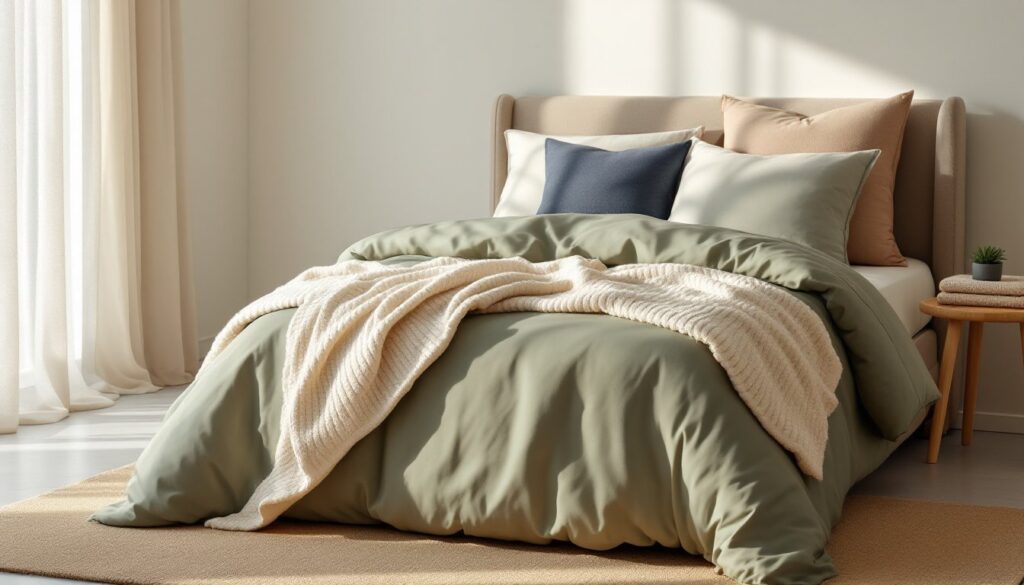
A bedroom is more than just a place to sleep, it’s a personal sanctuary where comfort and design converge. The right bedding plays a critical role in creating an inviting, restful environment. Whether someone is redesigning their entire bedroom or simply refreshing their bedding setup, making intentional choices about fabrics, layers, colors, and accents can dramatically improve both sleep quality and visual appeal. The good news: creating a bedroom that looks polished and feels genuinely comfortable doesn’t require professional interior design or a luxury budget. With thoughtful planning and some smart bedroom bedding ideas, anyone can build a sleep space that encourages relaxation and reflects their personal style.
Key Takeaways
- Choosing quality fabrics like Egyptian cotton, percale, or linen is foundational to bedroom bedding ideas—they directly affect sleep temperature, durability, and comfort against skin.
- Layering your bedding with fitted sheets, quilts, throw blankets, and runners creates both visual depth and temperature flexibility without requiring expensive upgrades.
- Cool-toned colors like soft blues, greens, and grays promote relaxation and lower heart rates, while a three-color palette (dominant, complementary, accent) maintains visual sophistication in bedroom bedding design.
- Invest in quality pillows and throw blankets that serve dual purposes—memory foam or gel-infused pillows support better sleep, while accessible throws provide both warmth and style year-round.
- Building a restful bedroom sanctuary doesn’t require professional design or a luxury budget; start with one or two intentional changes like new sheets and gradually build from there.
Choose Quality Fabrics for Ultimate Comfort
The foundation of any bedroom bedding setup starts with fabric selection. Quality matters because materials directly affect sleep temperature, durability, and how bedding feels against skin. Egyptian cotton, for example, is known for its softness and breathability, a 200-thread-count Egyptian cotton sheet feels different from a 600-thread-count microfiber blend, and personal preference drives the choice.
Thread count gets thrown around in marketing, but understanding it helps. Higher thread count (400–800) typically means softer, more durable sheets, but diminishing returns kick in above 1,000. Look for 100% cotton or cotton-blend sheets labeled “percale” (crisp, cool to the touch) or “sateen” (smooth, slightly heavier feel). For year-round comfort, linen offers breathability and improves with washing, while jersey knit feels like a soft t-shirt, cozy but less breathable.
Duvet covers deserve equal attention. A high-quality duvet cover (cotton or cotton-linen blend) protects the insert, adds visual interest, and allows seasonal refreshes without replacing the entire duvet. Bamboo viscose is increasingly popular for its silky feel and moisture-wicking properties, though it requires gentler care than cotton. Touch samples when possible: thread count marketing can’t replicate the actual feel.
Master the Art of Layering
Bedroom bedding doesn’t stop at sheets. Layering creates visual depth, improves temperature control, and adds flexibility. Think of bedding like clothing, base layers, mid-layers, and toppers all work together.
Base Layers and Foundation
The fitted sheet and flat sheet form the foundation. A fitted sheet (typically 15–18 inches deep for standard mattresses) keeps everything in place, while the flat sheet adds an extra layer and can be folded down for a finished look. Some people prefer just a fitted sheet under a duvet for simplicity: others want both. The choice depends on personal preference and climate. Under the duvet sits an insert (fill) in down, down-alternative, or synthetic materials. Down clusters trap warmth efficiently but require regular fluffing and aren’t ideal for allergies. Down-alternative fills perform similarly with less maintenance and cost less. Synthetic inserts are budget-friendly, machine-washable, and hypoallergenic.
Mid-Layer Textures and Warmth
This is where personality enters bedroom bedding ideas. A quilt or coverlet adds visual texture without the bulk of a full duvet. Quilts (typically 90–120 inches wide) layer beautifully over sheets and under a duvet cover, or they can stand alone for warmer seasons. Throw blankets draped across the foot of the bed or folded over a chair introduce color, pattern, and extra warmth. Cotton throws work year-round: wool or fleece throws add coziness in winter. A bed runner (a long, narrow fabric strip) laid across the foot of the mattress visually anchors the space and introduces a contrasting texture without blocking comfort.
Create a Color Palette That Promotes Relaxation
Color directly influences mood and sleep quality. Cooler tones, soft blues, greens, and grays, are scientifically linked to relaxation and lower heart rates, making them ideal for bedroom bedding. Warm neutrals like beige, taupe, and soft white create calm without feeling cold. The key is choosing a dominant color for sheets and duvet, then building supporting colors through accent pieces.
Start with one main hue for the duvet cover or quilt. This sets the tone and makes the bed the room’s anchor. Add a second complementary color through throw blankets or a bed runner, perhaps a deeper shade or a contrasting neutral. A third accent color can appear in decorative pillows or a throw. This three-color rule prevents visual chaos while maintaining sophistication. Patterns (stripes, geometric shapes, subtle florals) add interest without overwhelming: busy patterns can feel stimulating rather than restful, so reserve them for accents rather than large surface areas.
Consider the room’s existing elements, wall color, curtains, lighting. Bedding should harmonize with, not fight against, these features. Soft, muted tones adapt easily across seasons and styles, making them safer starting points than bold colors. Test colors in natural and artificial light before committing: a pillow swatch on the bed looks different than a paint chip on the wall.
Invest in Quality Pillows and Throw Blankets
Pillows are personal. A memory foam pillow contours to the head and neck, supporting side sleepers and those with neck issues. Down pillows feel luxuriously soft but require frequent fluffing and aren’t suitable for people with allergies. Gel-infused pillows stay cooler, helpful for hot sleepers. Standard pillows (20×26 inches) fit standard cases: queen pillows (20×30 inches) offer extra length. Most people benefit from two pillows for sleeping and one or two decorative pillows for style.
Pillow covers matter as much as the fill. 100% cotton sateen or linen covers breathe well and feel pleasant against skin. Wash covers every week with sheets to maintain cleanliness and freshness. Multiple pillow covers allow rotation while one set dries. Decorative pillows (smaller accent pillows in varying shapes and textures) layer on top of functional pillows and contribute to the overall design aesthetic.
Throw blankets serve dual purposes: warmth and style. A chunky knit throw in cream or gray drapes elegantly over a chair or the foot of the bed. Weighted throws (typically 5–10 pounds) provide calming pressure that some people find sleep-enhancing. Faux fur or textured throws add luxury without high cost. Keep throws accessible for nighttime use, drape them within arm’s reach rather than tucking them into a decorative display that defeats their purpose. Rotate throws seasonally: cotton or linen blends in summer, wool or heavier knits in winter.
Conclusion
Creating bedroom bedding that balances comfort and style involves intentional choices about fabrics, layering, color, and accents. Quality materials sleep better, layering adds flexibility and visual interest, thoughtful color palettes promote relaxation, and investing in pillows and throws elevates the entire space. The goal isn’t perfection or matching Pinterest boards, it’s building a personal sanctuary that feels genuinely welcoming and supports restful sleep. Start with one or two changes (new sheets and a throw blanket, for instance) and build from there. Bedroom bedding ideas work best when they reflect individual preferences and needs rather than trends.