
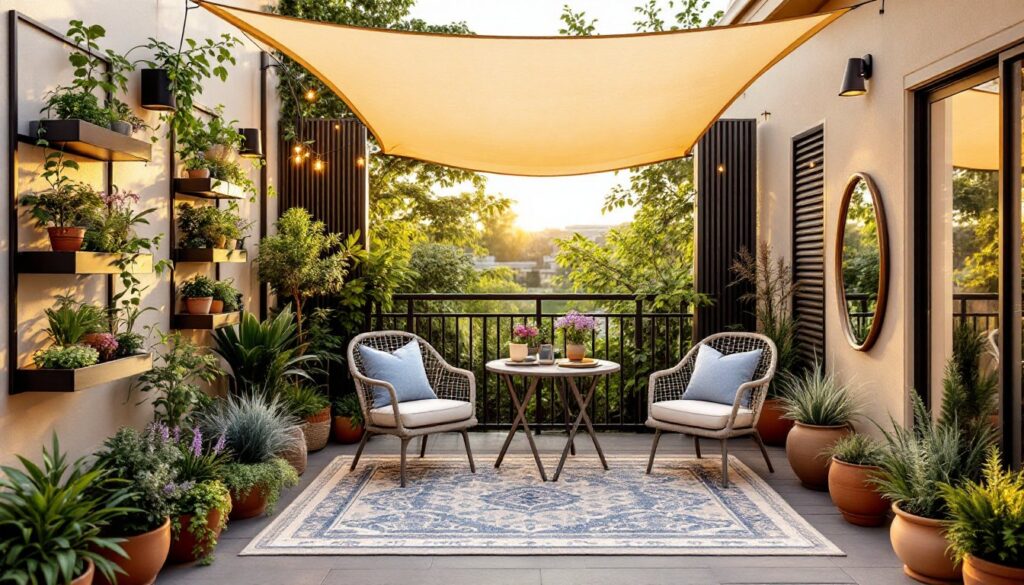
Apartment dwellers often overlook their small patios, treating them as forgotten afterthoughts. But a compact outdoor space, whether it’s a balcony, courtyard corner, or modest concrete slab, can become an inviting retreat with smart design choices. The key is strategic planning: maximizing every square foot without overcrowding, choosing multifunctional pieces, and using vertical solutions. Small patio ideas don’t require a large budget: they require intention. This guide walks through seven practical approaches to transform even the tiniest outdoor area into a functional, enjoyable extension of your home.
Key Takeaways
- Transform your small patio by maximizing vertical space with wall-mounted planters, trellises, and tiered pocket gardens instead of relying on limited floor space.
- Choose scaled-down, multifunctional furniture pieces like storage ottomans and nesting tables, then arrange them intentionally to define zones while maintaining 18–24 inches of walking space.
- Apartment small patio ideas work best when you add privacy screens and shade solutions—such as retractable shade sails or bamboo screens—that comply with lease restrictions.
- Create visual impact and improve air quality by selecting container plants matched to your patio’s light conditions and arranging them at varying heights for dimension.
- Incorporate solar lights, LED deck lights, and lanterns to extend evening enjoyment safely and create ambiance without requiring permanent wiring.
- Personalize your outdoor retreat with outdoor rugs, weather-resistant throw pillows, mirrors, and curated décor that reflect your style while keeping the space intentionally, not overcrowded.
Make The Most Of Vertical Space
When floor space is limited, look up. Vertical gardening, wall-mounted shelving, and trellises transform bare walls into productive zones without eating into your limited square footage.
Start with a trellis or wall planter system. These structures support climbing vines (clematis, jasmine) or hold shallow planters for herbs and succulents. They’re available in wood, metal, or composite materials and mount directly to the wall or railing. Installation is straightforward: locate studs or use appropriate anchors rated for the weight you’ll hang.
Wall-mounted shelving works well for displaying small potted plants, solar lights, or decorative objects. Floating shelves (typically 12–18 inches deep) don’t require floor space and keep the patio feeling open. Use stainless steel or powder-coated brackets to resist moisture and rust.
Vertical gardens, tiered pocket planters that hang on walls, let you grow multiple plants in a single vertical strip. They’re ideal for herbs, low-light shade plants, or ornamental foliage. Ensure drainage holes prevent water pooling, which can damage siding or railings over time.
Maximize Your Patio With Strategic Furniture Placement
Cramped patios fail when furniture is oversized or haphazardly arranged. The secret is choosing scaled-down, multi-purpose pieces and laying them out thoughtfully.
Measure your patio first, know the exact dimensions. For patios under 8×10 feet, a single bistro table (24–30 inches diameter) with two chairs typically works better than a large dining set. Alternatively, a low-profile bench with a small side table creates a cozy seating nook without blocking sightlines.
Multifunctional furniture saves space. A storage ottoman doubles as extra seating and keeps cushions, tools, or supplies hidden. Nesting tables stack compactly but expand when needed. Folding chairs tuck away when not in use.
Arrange furniture to define zones, even in tiny spaces. Place the seating area near the door for easy access, leaving the far end open for planting or visual breathing room. Avoid pushing all pieces against walls, it makes the space feel cramped, not spacious. A small centered grouping feels intentional and inviting. Leave at least 18–24 inches of walking space around furniture for comfortable movement.
Create Privacy and Shade With Stylish Solutions
Apartment patios often overlook neighboring units. Privacy and shade are essential for making the space feel like yours, and necessary for comfort during hot months.
A retractable shade sail is efficient. Made of UV-blocking fabric stretched between posts or wall-mounted brackets, these create instant shade without the bulk of a traditional pergola. They’re adjustable, weatherproof, and fold away during storms. Proper installation requires secure anchoring, ensure any mounting points are rated for wind load in your area.
Privacy screens come in many forms. A slatted wooden or composite fence panel (4×8 feet) leans against railings or mounts to posts and blocks sight lines while allowing air circulation. Bamboo screens offer a natural aesthetic but require annual sealing in humid climates to prevent rot. Metal screens with geometric patterns add modern appeal.
Planted privacy is slower but beautiful. Dense shrubs (holly, privet, or bamboo varieties suited to your climate) create a living screen over time. Check lease restrictions, some apartments prohibit direct planting, but large planters with substantial root systems may be allowed.
Ensure shade solutions don’t violate lease terms or HOA rules. Some buildings restrict permanent structures: retractable and freestanding options often work around these limitations.
Add Greenery and Plants for Visual Impact
Plants soften hard surfaces, improve air quality, and make small patios feel alive. In apartments, container gardening is essential, it works within rental restrictions and allows you to move plants seasonally.
Choose plants matched to your patio’s light. Full sun (6+ hours daily) supports herbs, tomatoes, and ornamental grasses. Partial shade (3–6 hours) suits ferns, hostas, and many foliage plants. Deep shade (under 3 hours) limits options, but ivy, ajuga, and shade-tolerant ferns still thrive.
Container size matters. A 12-inch-diameter pot works for single herbs or small perennials: 18–24 inches for shrubs or mixed plantings. Ensure drainage holes in every pot, waterlogged roots kill plants and create odors and mold. Use quality potting soil, not garden soil, which compacts in containers and retains too much moisture.
Arrange containers at varying heights using plant stands, shelving, or tiered risers. This adds dimension and prevents a flat, crowded appearance. Group odd numbers of pots (3, 5, 7) together, it’s more visually appealing than pairs.
In cold climates, move tender plants indoors before frost. Perennials in containers are less hardy than in-ground plants, so check hardiness zones and consider overwintering strategies if you want permanent specimens.
Incorporate Lighting To Extend Evening Enjoyment
Evening lighting transforms a patio from an afterthought into a usable room. It’s also essential for safety on stairs or uneven surfaces.
Solar lights are renter-friendly and cost-effective. Solar pathway lights line walkways without wiring. Solar string lights (cafe-style or globe variants) create ambiance and run 6–8 hours on a full charge. Mount them to railings, overhead wires, or nearby walls using adhesive hooks or cable ties.
For consistent brightness, battery-operated LED deck lights or under-rail lighting add a professional touch. These install in minutes using mounting brackets or adhesive pads. LED technology runs cooler and longer than older options, making them safer near flammable materials.
Lanterns and uplighting (ground-level fixtures pointing upward) create warm shadows and depth. Place a lantern on a side table or hang one from a shepherd’s hook. Uplight tall plants or textured walls to add dimension.
Check apartment rules, some restrict permanent wiring. Wireless, battery-powered, and solar solutions typically fall within lease terms. Test brightness before committing: poorly lit patios feel gloomy, but overlighting washes out plants and draws unwanted attention from neighbors.
Personalize Your Space With Décor and Accessories
Furnishings and plants establish function: accessories establish personality. Small details transform a sterile patio into a space that reflects the resident’s style.
Outdoor rugs define seating zones and add color or texture. A 4×6-foot or 5×8-foot rug in a small space anchors furniture and makes it feel cohesive. Use weather-resistant materials like polypropylene or natural fibers treated for outdoor use. Layering rugs (a smaller accent rug over a larger base) adds depth.
Throw pillows, cushions, and blankets introduce comfort and easy style swaps. These are rentable-friendly, remove them when you move. Choose outdoor-grade fabrics (Sunbrella is industry-standard) for durability and fade resistance.
Wall art, mirrors, and decorative objects personalize vertical surfaces. A large mirror (mounted securely) reflects light and makes tight spaces feel bigger. Outdoor wall art, metal sculptures, wooden signs, or weather-resistant paintings, adds character without clutter.
Small accent pieces, lanterns, planters in complementary colors, outdoor-safe candles, tie the space together. The goal is intentional curation, not overcrowding. In tiny spaces, every item should earn its place by being functional, beautiful, or both.
Conclusion
Small patio ideas succeed when they prioritize smart use of space over square footage. Vertical gardens, scaled furniture, strategic shade, layered lighting, and thoughtful décor transform even the most modest apartment outdoor area into a functional, welcoming retreat. Start with one or two changes, a trellis and some containers, perhaps, then build from there. The best patio is one you actually use, and that happens when it’s comfortable, attractive, and truly yours.