
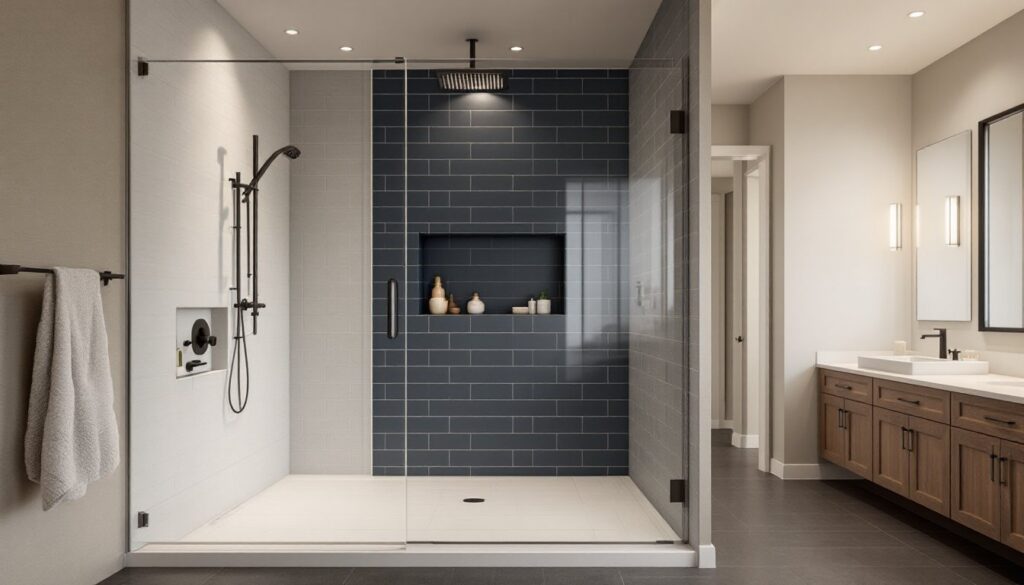
A walk-in shower transforms a bathroom from purely functional to genuinely luxurious, and the good news is that you don’t need a mansion to pull it off. Whether someone’s working with a sprawling master bath or a compact guest bathroom, walk-in shower designs have evolved to fit nearly any space and budget. The trend for 2026 leans toward clean lines, smart storage, and fixtures that earn their spot through both looks and performance. This guide covers seven practical bathroom remodel ideas that showcase walk-in showers at their best: modern minimalist designs, spa-inspired layouts, space-saving solutions, eye-catching tile work, accessible fixtures, and lighting upgrades that actually work.
Key Takeaways
- Modern walk-in shower designs in 2026 prioritize frameless glass enclosures, linear drains, and matte black fixtures for a clean, spacious aesthetic that works in any size bathroom.
- Spa-inspired bathroom remodels require sealed enclosures and steam systems ($1,200–$3,000 installed), complemented by natural stone or stone-mimicking porcelain, built-in benches, and layered lighting for a genuine luxury retreat.
- Space-saving walk-in shower solutions use corner layouts with hinged doors, recessed niches, and smaller horizontal tiles to maximize functionality in compact bathrooms without compromising style.
- Bold statement tile and accent walls transform a walk-in shower into the bathroom’s focal point—limit drama to one feature wall and pair it with neutral surfaces to avoid visual overload.
- Smart fixtures like digital thermostat valves, grab bars anchored to studs at 33–36 inches, and curbless entries enhance both accessibility and contemporary design in modern showers.
- Proper waterproofing, dedicated exhaust fans (50–80+ CFM with humidity sensors), and damp-rated LED lighting at 3000K are non-negotiable for a walk-in shower that performs and lasts.
Modern Minimalist Walk-In Showers
A minimalist walk-in shower strips away excess and focuses on clean geometry and material quality. Think frameless glass enclosures with minimal hardware, a single overhead rainfall showerhead, and a sleek linear drain. The payoff is a spacious, uncluttered look that makes even a modest bathroom feel bigger.
Materials matter here. A 5/8-inch tempered glass panel (the standard for most frameless showers) balances durability with visual lightness. Pair it with large-format tile, think 24″ × 48″ or 12″ × 24″ porcelain tiles, laid in a running bond or herringbone pattern. Keep grout lines tight and neutral (charcoal, light gray, or white) to reinforce the clean aesthetic.
The linear drain is the linchpin of this design. It sits flush with the floor and slopes toward a central channel, eliminating the traditional corner dome and making the space feel seamless. Installation requires proper slope of 1/8 inch per foot toward the drain and a waterproof membrane (typically an acrylic or bentonite mat) beneath the tile substrate. This isn’t cosmetic, it’s essential to prevent leaks into the framing below.
Keep fixtures minimal and matte. Matte black or brushed stainless steel hardware has largely replaced shiny chrome in 2026 designs. A single outlet serves the showerhead: a handheld option is optional but practical.
Luxury Spa-Inspired Bathroom Designs
A spa-inspired bathroom remodel centers on comfort, steam, and sensory detail. Beyond the walk-in shower, this means thinking about the whole environment: softer lighting, natural materials, and water features that deliver a genuine retreat feeling.
For the shower itself, integrate a steam generator system (typically 5–10 kW, installed behind a wall or under a bench). A steam system requires a sealed enclosure, so a full glass surround or enclosure becomes necessary, not just a single panel. The system costs $1,200–$3,000 installed, depending on unit capacity and plumbing routing. Installation is best left to a licensed plumber and electrician, as it involves 240V wiring and steam-specific valve bodies.
Natural stone tiles, marble, travertine, or slate, set the spa mood, but they demand maintenance. Marble, for example, is porous and etches easily under acidic cleaners: it requires sealing every 12–18 months. Travertine has a rustic, warm look but needs filling and sealing too. If you want the aesthetic without constant upkeep, large-format porcelain tiles that mimic natural stone are nearly indistinguishable and far more forgiving.
Add a built-in bench (12–18 inches deep, 36–48 inches long) for seating and product placement. Install it at 18 inches height from the finished floor. Waterproof the structure with a membrane, and use exterior-grade lumber or pressure-treated material as a substrate if building from scratch. Finish with durable tile or engineered stone cladding that matches the surrounding surfaces.
Include layered lighting: warm, dimmable sconces flanking a mirror and soft accent lighting in the shower alcove. A smart exhaust fan with humidity sensor keeps moisture in check without creating drafts.
Space-Saving Walk-In Shower Solutions
Not every bathroom has room for a sprawling walk-in. Clever layouts and product choices make compact showers feel open and functional.
A corner walk-in with two walls of glass (rather than a full enclosure) saves space and money. One fixed panel and one hinged door create an easy entry without eating into the bathroom. For a 36″ × 36″ minimum opening, position the hinge on the narrower side to avoid swing-out conflicts.
Use a corner shelf or recessed niche (cut into the stud cavity between framing studs) for soap and shampoo. A recessed niche is stronger than a surface-mounted caddy and doesn’t take up shower real estate. Install it at eye level (roughly 60 inches from the floor) before tile goes down.
Choose a compact showerhead and a handheld wand combo, overhead, handheld, or a valve that switches between the two. This adds flexibility without requiring a second outlet. A rain showerhead with a 1.5 GPM flow rate (versus standard 2.5 GPM) reduces water consumption and still delivers a pleasant feel: check local codes for flow restrictions.
Tile runs horizontally in a tight space. Smaller tiles (4″ × 8″ or 6″ × 12″) create more visual movement and can make walls recede. Avoid small mosaic tile: the grout maintenance becomes tedious. Light colors and glossy finishes bounce light and open up the footprint.
Statement Tile and Accent Wall Ideas
Tile elevates a walk-in shower from background to focal point. Bold color, pattern, and texture make the shower the bathroom’s hero.
For a feature wall, consider large-format tiles in deep navy, charcoal, or forest green paired with crisp white or cream on the remaining walls. A 24″ × 48″ format in a stacked bond (horizontal running pattern) emphasizes width and drama. Limit bold tile to one wall: surrounding surfaces stay neutral to avoid visual overload.
Pattern is another option. A geometric or mosaic tile accent (perhaps a border at eye level or a full feature wall) adds rhythm without needing structural change. Zellige tiles, handmade Moroccan clay tiles with irregular glazes, have become popular in 2026 bathrooms. They’re pricier ($15–$25+ per square foot) but create unmistakable character. Ensure proper grout selection for the tile type: unsanded grout suits tiles with narrow grout lines, while sanded grout works better where lines are wider.
Mix materials for texture. Combine flat tiles with relief tiles (think 3D patterns), matte finishes with polished accents, or glass with ceramic. A 3″ × 6″ subway tile in a herringbone pattern reads as timeless: add a metallic accent stripe or row of small glass tiles every few feet for contemporary flair.
Don’t overlook the floor tile. A darker, slip-resistant finish (at least R11 or R12 rating per ISO standards) prevents slips. Large-format floor tile reduces grout lines and is easier to clean, but ensure adequate slope (1/8 inch per foot) toward the drain.
Smart Fixtures and Accessibility Features
Modern showers integrate technology for convenience and safety. A smart shower valve with a built-in digital thermostat maintains precise water temperature, no scalding surprises. Brands like Moen and Kohler offer models with preset temperatures and flow-rate memory, starting around $400–$800 installed.
Grab bars aren’t just for aging-in-place bathrooms: they’re practical and look polished in any design. Install them at 33–36 inches height (check local ADA or IRC guidelines) and ensure they’re anchored to studs or reinforced blocking rated for at least 250 pounds of lateral force. Matte black or brushed nickel finishes feel contemporary rather than clinical.
A curbless or low-threshold entry (2 inches or less) opens up the bathroom to people with mobility limitations and simply looks cleaner. It requires careful sloping of the entire floor (at least 1/8 inch per foot in all directions toward a drain). The sub-floor may need reinforcement, and waterproofing becomes critical. This is a structural choice best made during a full remodel, not an afterthought.
A handheld showerhead mounted on a vertical rail offers height adjustment and is essential for accessibility. Pair it with a fixed overhead head for choice and convenience. A shower seat (permanent or fold-down, 18 inches deep, secured to studs) accommodates people who prefer to shower sitting. Use teak or engineered polymer materials that resist rot: tile-covered benches are durable but can be slippery without texture.
Lighting and Ventilation Upgrades
Shower lighting and ventilation often get overlooked, but they determine whether a remodel truly works.
Moisture is the enemy. A dedicated exhaust fan rated for bathroom use (minimum 50 CFM for a small bathroom, 80+ CFM for larger spaces) should vent outdoors, not into the attic. Run ductwork straight through the roof or out a gable wall to minimize backpressure and condensation. A humidity sensor automatically triggers the fan when moisture rises, running it as long as needed. Plan to install the fan on joists: avoid placing it in the center of the ceiling if structural support isn’t there. Ductwork should be smooth, rigid metal (not flexible lint traps) with a damper to prevent backflow.
For lighting, LED recessed fixtures with 3000K color temperature (warm white) feel spa-like without harsh shadows. Position them 24–36 inches on center, keeping them away from the direct spray of the showerhead (water will eventually find its way in). Ensure they’re damp-rated or wet-rated per UL standards, regular bathroom fixtures won’t cut it. A secondary wall sconce flanking the mirror adds task lighting and ambiance.
Consider a skylight if the roof pitch and budget allow. It floods the space with natural light, reduces daytime electrical use, and adds openness. Ensure proper flashing and waterproofing, especially in rainy climates. A motorized shade helps with heat control and privacy.
Conclusion
A walk-in shower remodel doesn’t require choosing between style and function. The best 2026 designs combine clean aesthetics with thoughtful engineering: proper waterproofing, accessible fixtures, and ventilation that actually works. Whether aiming for minimalist elegance, spa luxury, or clever space-saving, the foundation remains the same, quality materials, correct installation, and honest assessment of whether a project suits DIY or calls for licensed professionals. Start with the basics: measure twice, plan drainage meticulously, and don’t skimp on waterproofing. From there, layer in personal style through tile, fixtures, and lighting.