
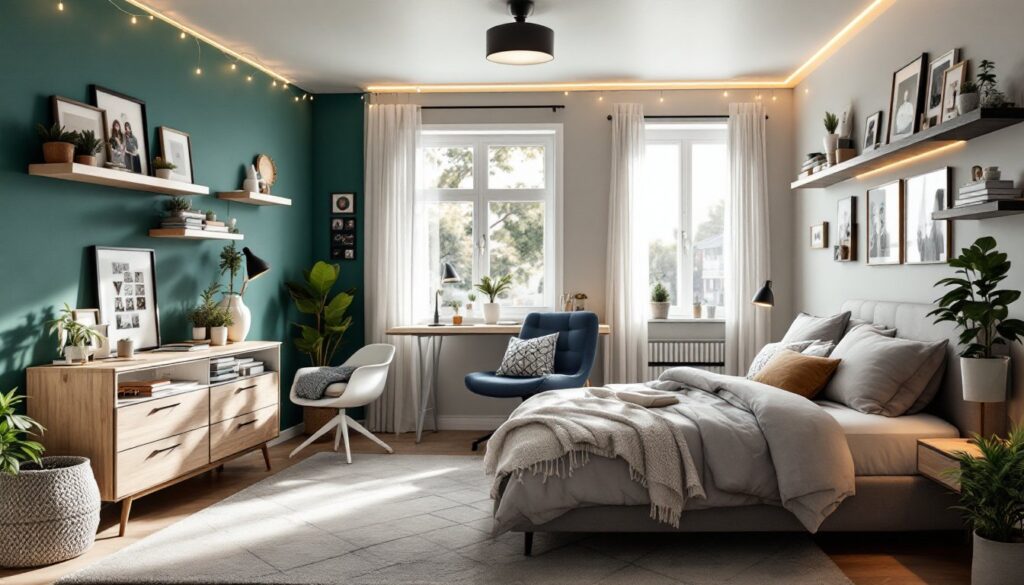
Designing a big girl bedroom, that sweet spot between childhood and adulthood, is less about Pinterest perfection and more about creating a space where a teen actually wants to spend time. Unlike a kid’s room frozen in cartoon characters, a big girl’s bedroom needs to grow with her, accommodate assignments sessions and friend hangouts, and reflect who she’s becoming. The challenge isn’t just picking pretty colors: it’s balancing function with personality, durability with style, and parent-approved design with teen autonomy. This guide walks through the practical steps to create a bedroom that feels mature, comfortable, and genuinely hers.
Key Takeaways
- Choose a neutral base color with bold accent walls or bedding to create big girl bedroom ideas that grow with her style and avoid looking babyish.
- Layer textures through rugs, quality bedding, and mixed materials to add visual depth and comfort without overwhelming the space.
- Design a functional layout with a dedicated study zone near natural light, a comfortable bed placement, and a seating area for socializing.
- Incorporate personal decor like framed photos, gallery walls, and meaningful accessories that reflect her interests and maturity.
- Invest in quality furniture and layered lighting—ambient, task, and accent lights—to create a space that supports sleep, study, and relaxation.
- Involve her in the design process to boost her buy-in and ensure the room reflects her growing independence and personality.
Choose a Color Palette That Reflects Her Personality
The color scheme sets the mood. Rather than defaulting to pink or purple, ask your teen what colors actually make her feel good. Does she gravitate toward moody jewel tones, soft neutrals, or bold accent colors? Once you’ve identified her preference, pick a main wall color and 2–3 complementary tones for accents.
For a timeless approach, consider neutral base walls (soft gray, warm white, or taupe) with personality injected through an accent wall, bedding, and art. This keeps the room from feeling babyish while staying versatile as tastes evolve. If she wants bold color, deep teal, forest green, or even charcoal, go for it on one wall or behind the bed. Paint is the cheapest design update, so be bold.
Don’t forget undertones when selecting paint. A cool-toned gray reads differently from a warm gray under various lighting conditions. Grab paint samples and test them on the actual wall at different times of day before committing. Avoid trendy color names: focus instead on what feels right in her space. Remember that darker walls make rooms feel smaller: lighter shades open things up visually, which matters in cramped dorms or smaller bedrooms.
Layer Textures and Materials for Visual Interest
A monochrome room can feel flat. Add depth by mixing textures: a soft area rug under the bed, linen bedding, wooden furniture, metal accents, and perhaps a knit throw blanket or macramé wall hanging. Each material should serve a purpose, softness for comfort, durability for wear, visual interest for style.
Consider a wool or cotton area rug in a neutral tone or subtle pattern: it anchors the bed area and adds warmth underfoot. Bedding should balance aesthetics with practicality, a quality cotton or linen duvet resists pilling and washes well, whereas microfiber might feel cheap and trap heat. Layer textures through pillows, a throw blanket, and even a cushioned desk chair.
Mix materials deliberately. Pair a wooden dresser with a metal bed frame, or add a rattan accent chair to soften a modern aesthetic. Avoid going overboard: too many competing textures feel chaotic. Stick to 3–4 primary materials (wood, metal, textiles, maybe glass or ceramic) and repeat them throughout the room for cohesion.
Design a Functional Layout for Study, Sleep, and Socializing
A big girl’s bedroom serves multiple functions: sleeping, studying, getting ready, and hanging with friends. Layout matters more than decoration. Start by placing the bed against a main wall, ideally not blocking windows or the door. This creates a focal point and maximizes floor space for a desk, seating area, or both.
A dedicated study zone is non-negotiable. Position a desk near natural light if possible: a window-facing desk reduces eye strain and boosts mood during assignments marathons. Ensure the desk has adequate surface area (at least 36 inches wide) and a comfortable, supportive chair with proper back support. Poor ergonomics cause long-term posture problems.
Include a comfortable seating area for her and friends. A loveseat, oversized chair, or floor cushions create a hangout spot without eating too much space. A small bookshelf or storage bench serves double duty: seating and organization. Keep pathways clear, a bedroom that feels cramped kills the vibe. If space is tight, vertical storage (wall shelves, over-the-door organizers) prevents clutter from taking over.
Add Personal Touches With Decor and Accessories
Decor should feel personal, not mass-produced. Encourage her to display things that matter: framed photos of friends, concert tickets, awards, or artwork she actually likes. A gallery wall above the desk or dresser looks mature and gives the space character without screaming “teen bedroom.”
Wall decor options include framed prints, floating shelves for displaying small treasures, or even a bulletin board disguised as a cork or fabric-covered panel. Avoid paper posters taped up haphazardly: instead, invest in a few quality framed pieces that reflect her interests. String lights or LED strips add ambient glow without the harsh overhead fixture feel.
Personal accessories matter: a quality desk lamp, a plant or two (real or high-quality faux), throw pillows with patterns or meaningful quotes, and storage baskets that actually contain the clutter. These touches transform a generic bedroom into a space that feels intentional. Rotate decor seasonally or as interests change: it keeps the space fresh without expensive overhauls.
Incorporate Trending Furniture Styles for Teens
Contemporary teen furniture trends lean toward clean lines, functional pieces, and a mix of vintage and modern. An upholstered bed frame (in gray, navy, or black linen) feels more grown-up than a simple frame, while a wooden dresser adds warmth and durability. Storage is key: look for beds with drawers underneath or dressers that provide proper organization.
Desk furniture should prioritize function. A sleek desk with cable management, an ergonomic chair, and overhead shelving keeps the study zone organized and visually minimal. Floating shelves save floor space while keeping books and decor accessible. A metal-frame bookshelf or modular storage cubes work well in modern or transitional spaces.
Bed quality matters for sleep quality and longevity. A twin XL or full-size mattress with a supportive base lasts longer and costs less than replacing a cheap frame later. Invest in a good bed frame and mattress: skimp on accent furniture instead. Furniture should feel substantial but not heavy or overwhelming in the space, the goal is sophistication, not a cramped showroom.
Create Proper Lighting for Ambiance and Functionality
Lighting design separates a polished bedroom from a dim dungeon. Layer three types: ambient (overhead or ceiling), task (desk and reading lamps), and accent (string lights, wall sconces, or LED strips). A single overhead fixture isn’t enough: it’s harsh and doesn’t suit different moods or activities.
Start with a dimmable ceiling fixture or track lighting to control ambient light. Add a desk lamp with adjustable brightness for assignments, LED bulbs reduce eye strain and save energy. A bedside table lamp enables reading without blasting the whole room. Accent lighting (warm LED strips behind floating shelves, string lights, or a sconce above the bed) creates ambiance for hanging out.
Choose warm white bulbs (2700K color temperature) for relaxation areas and cool white (4000K+) for task areas. Avoid harsh blue light in the evening: it disrupts sleep. Dimmer switches give her control over mood and energy. Smart bulbs let her adjust color and brightness from her phone, which feels cutting-edge without being gimmicky. Proper lighting is functional, not just decorative, it affects mood, productivity, and sleep quality.
Conclusion
Creating a big girl bedroom is about balancing her growing independence with practical design. Start with her input on colors and style, then layer in function: a solid layout, good lighting, quality furniture, and meaningful decor. The room should feel mature and personal, built to grow with her interests and last through her teen years and beyond. When she has a hand in designing her space, she’s more likely to keep it organized and actually enjoy spending time there, which, for many parents, is the real win.