
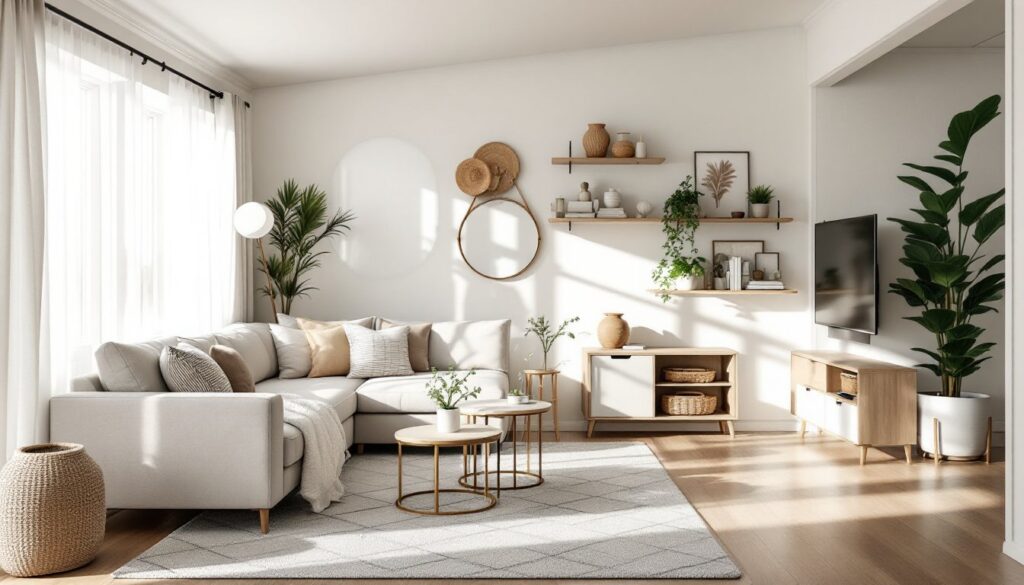
Living in a single wide mobile home doesn’t mean settling for a cramped, cluttered living room. With smart design choices and practical furniture solutions, homeowners can transform even the tightest 300–400 square foot space into a functional, inviting gathering area. The key is working with the constraints of a compact layout rather than fighting against them. This guide covers seven proven strategies that maximize every square inch, from multi-functional furniture pieces to vertical storage solutions and strategic use of light and mirrors. Whether someone is renting or owns their mobile home, these ideas work without permanent modifications, making them perfect for renters too.
Key Takeaways
- Multi-functional furniture like storage ottomans, nesting tables, and wall-mounted drop-leaf desks maximizes space in single wide mobile home living rooms without permanent modifications.
- Light colors, layered lighting, and strategic use of mirrors expand perceived space and create a brighter, more inviting atmosphere in compact 300–400 square foot living rooms.
- Vertical storage solutions such as floor-to-ceiling shelving and floating wall cabinets free up valuable floor space while drawing the eye upward to make ceilings feel taller.
- Area rugs and subtle visual dividers define living zones effectively without blocking sightlines or requiring permanent structural changes.
- Single wide living room ideas work equally well for renters and owners, since these design strategies require no costly renovations, permits, or warranty-voiding modifications.
Choose Multi-Functional Furniture to Maximize Space
Single wide living rooms demand furniture that pulls double duty. A sofa with built-in storage compartments underneath, for example, replaces a traditional couch while hiding blankets, seasonal décor, or board games. Storage ottomans serve as footrests, extra seating, and concealed storage in one piece. Look for coffee tables with shelves or drawers beneath the top surface, these keep remotes, magazines, and coasters within arm’s reach without adding visual clutter.
Consider a media console that combines a TV stand with shelving for electronics and décor. Nesting tables work beautifully in small spaces because they tuck away when extra surface area isn’t needed. Wall-mounted drop-leaf desks transform into a work or dining surface when needed, then fold flat against the wall. The goal is choosing pieces that serve specific needs rather than decoration alone. Measure the room’s width and doorway openings before purchasing anything, mobile homes often have narrower hallways (typically 32–36 inches), which limits furniture delivery options.
Use Light Colors and Strategic Lighting to Open Up the Room
Pale walls, light gray, soft whites, and warm beige make small rooms feel bigger and airier. Mobile home living rooms benefit from keeping walls neutral, this creates a receding visual backdrop that doesn’t close in the space. Paint or primer (use primer on mobile home walls if switching from dark to light colors: two coats may be needed for coverage) in an eggshell finish is durable and easy to wipe clean, which is practical for high-traffic areas.
Lighting transforms mood and perceived size dramatically. Overhead fixtures cast harsh shadows in small spaces, so layer lighting instead: add floor lamps in corners (uplighting bounces light off ceilings), place a table lamp on the console table, and consider LED strip lighting along shelves or behind floating cabinets for ambient warmth. Recessed lights or ceiling-flush fixtures avoid the bulky appearance of traditional chandeliers. Natural light is gold, install lightweight curtain rods with sheer panels to let daylight through without visible privacy bars. Avoid heavy drapes that eat up visual real estate: roller shades or cellular blinds do the job cleanly.
Create Vertical Storage Solutions to Free Up Floor Space
Floor space is premium in a single wide. Every inch of wall real estate becomes storage opportunity. Shelving that runs from floor to ceiling draws the eye upward and makes ceilings feel taller. Tall, narrow bookcases (24–30 inches wide) tuck into corner gaps and hold books, baskets, plants, or decorative items.
Wall-Mounted Shelving and Floating Cabinets
Floating shelves and cabinets install directly to wall studs, creating clean lines without bulky legs. Mobile home walls are typically 2×4 studs on 16-inch centers, use a stud finder to locate them, then secure shelves with lag bolts (not standard drywall anchors, which won’t support weight long-term). Floating shelves handle modest weight (15–30 pounds per shelf, depending on span and bracket quality), so use them for décor, small plants, and lightweight items rather than books alone.
Wall-mounted cabinets above the sofa or side wall add storage without footprint. Open shelving displays curated items and keeps sightlines clear: closed cabinets hide clutter. Ladder shelving (a leaning unit that doesn’t require wall fastening) works for renters, it’s stable enough for décor but moves if someone changes the layout. Hook rails on walls above seating provide spots for blankets, headphones, or wall art, adding function and style simultaneously.
Define Zones With Area Rugs and Subtle Dividers
A single wide living room often flows directly into a bedroom or kitchen, making it hard to define the space visually. Area rugs anchor a seating zone and psychologically separate the living area from adjacent rooms. A 6×9 or 5×8 rug works for most single wide living rooms, it should be large enough that front sofa legs sit on the rug and pull the room together. Darker or patterned rugs hide wear better than light solid rugs in a well-used space.
Subtle dividers, like a tall plant stand, a bookcase acting as a room divider, or a sheer fabric panel on a tension rod, separate zones without closing off sightlines. Don’t add solid walls or permanent dividers, mobile homes benefit from open flow, and structural changes may require permits or voidance of the home’s warranty. A console table behind the sofa, positioned as a subtle border between living and dining/kitchen areas, defines the zone while staying functional. These visual breaks make the space feel more intentional without making it feel cramped.
Incorporate Mirrors to Amplify Light and Perceived Space
A strategically placed mirror bounces natural and artificial light around the room, making it feel open and bright. Hang a large mirror (36–48 inches) opposite a window or light source to multiply illumination. Avoid covering entire walls with mirror (that’s more nightclub than living room), but a single statement mirror or a pair of smaller mirrors adds depth and visual interest.
Mirrors also create the illusion of depth, placing one on a side wall makes a narrow room feel wider. Frame mirrors in wood or metal finishes that complement the room’s aesthetic, rather than frameless glass, which blends too seamlessly and loses impact. Position mirrors where they don’t reflect directly into TV screens or glare sources: a mirror angled toward a corner with accent lighting works better. Leaning mirrors (unframed or framed) give renters a no-drill option while still delivering the spatial benefit. The trick is placing mirrors thoughtfully for function, not just decoration, they’re a legitimate design tool for small spaces, not a shortcut.
Conclusion
Transforming a single wide mobile home living room comes down to intentional choices: selecting furniture that works harder, controlling color and light, building storage upward, defining zones without walls, and using mirrors to expand perceived space. None of these strategies require major renovation, costly permits, or permanent changes, renters and owners alike can carry out them. The result is a living room that feels open, functional, and genuinely livable, proving that square footage doesn’t determine comfort or style.